Select a country or region

Global

English

What are the differences between polyester, PPS, P84, and PTFE filter bags? A comparison of common filter media

Dust removal equipment

1794533153000

What are the differences between polyester, PPS, P84, and PTFE filter bags? A comparison of common filter media

Views:0

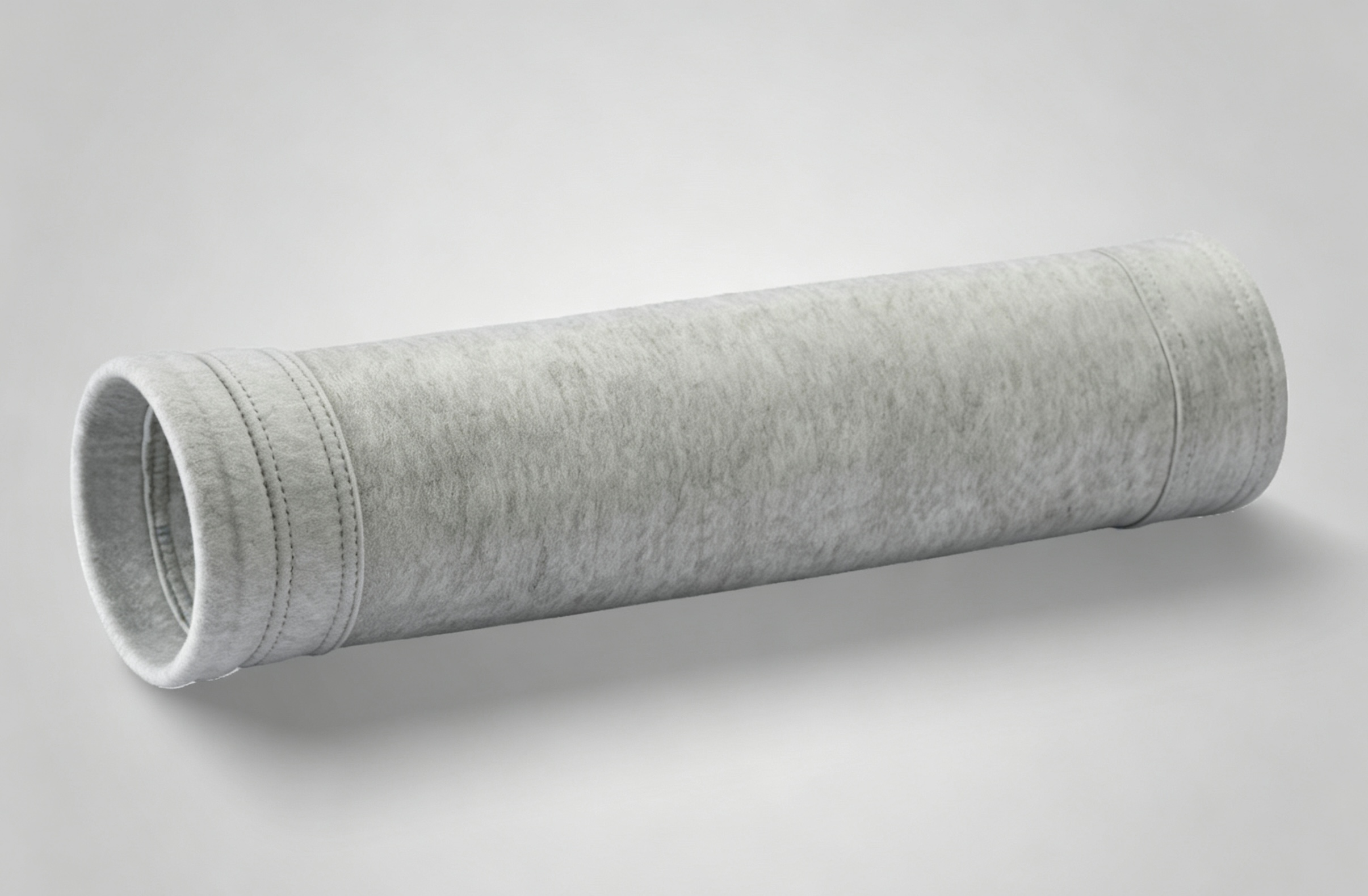
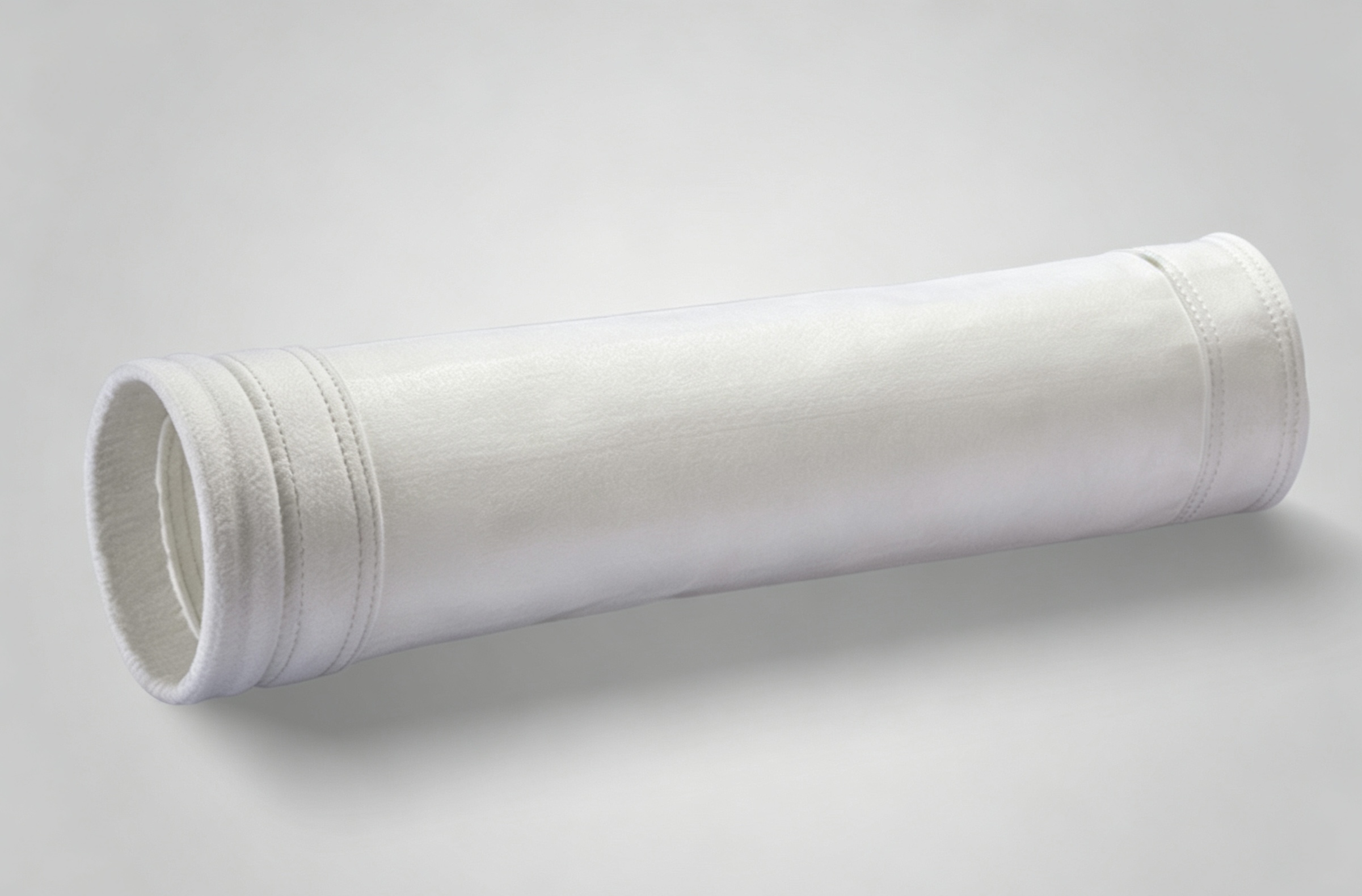
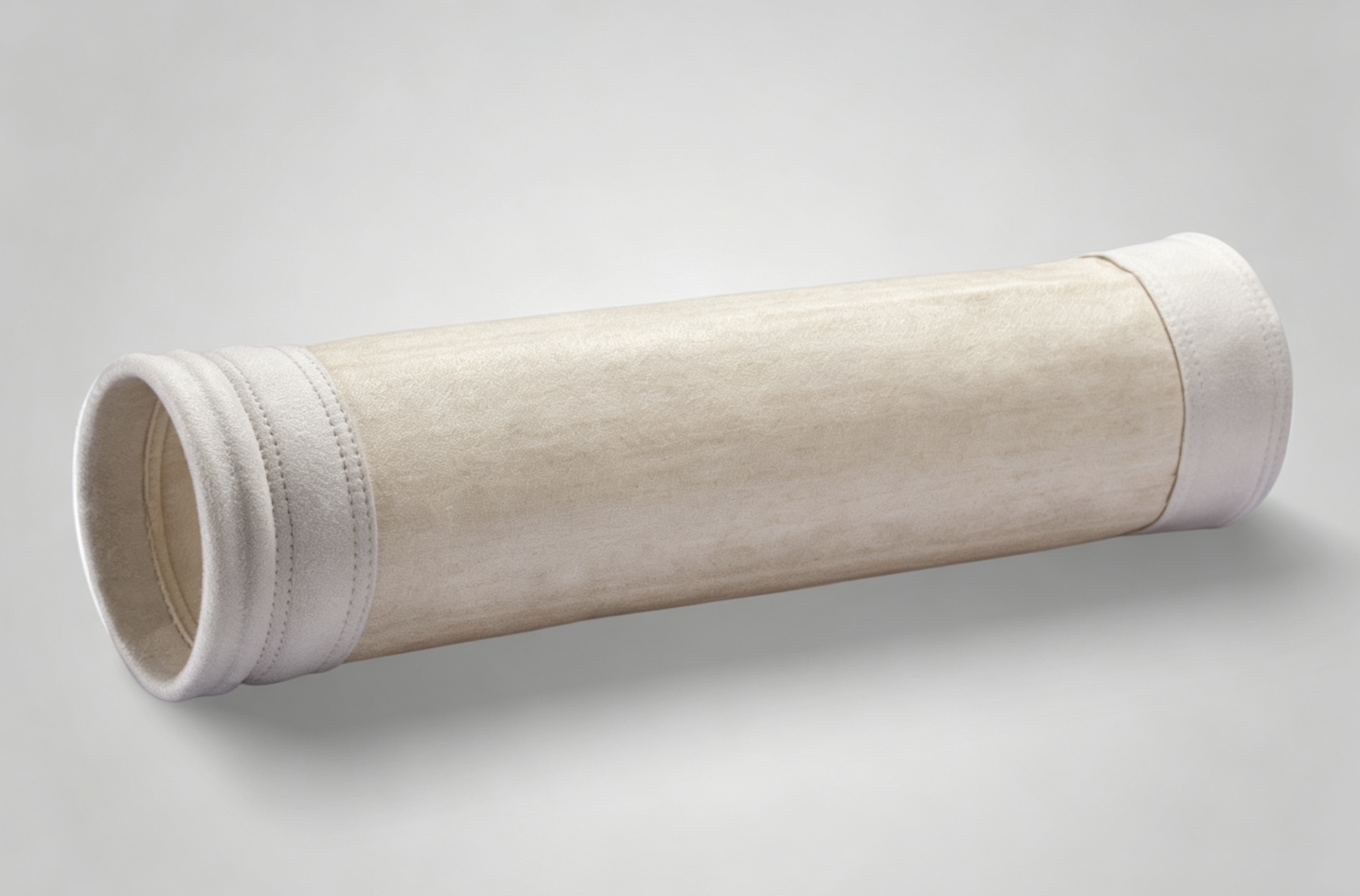
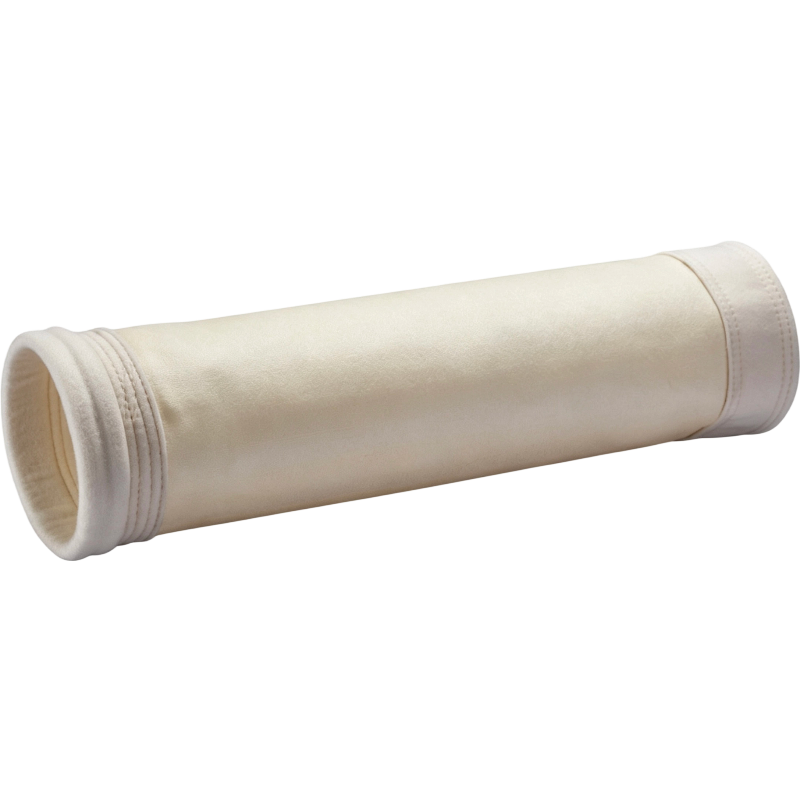
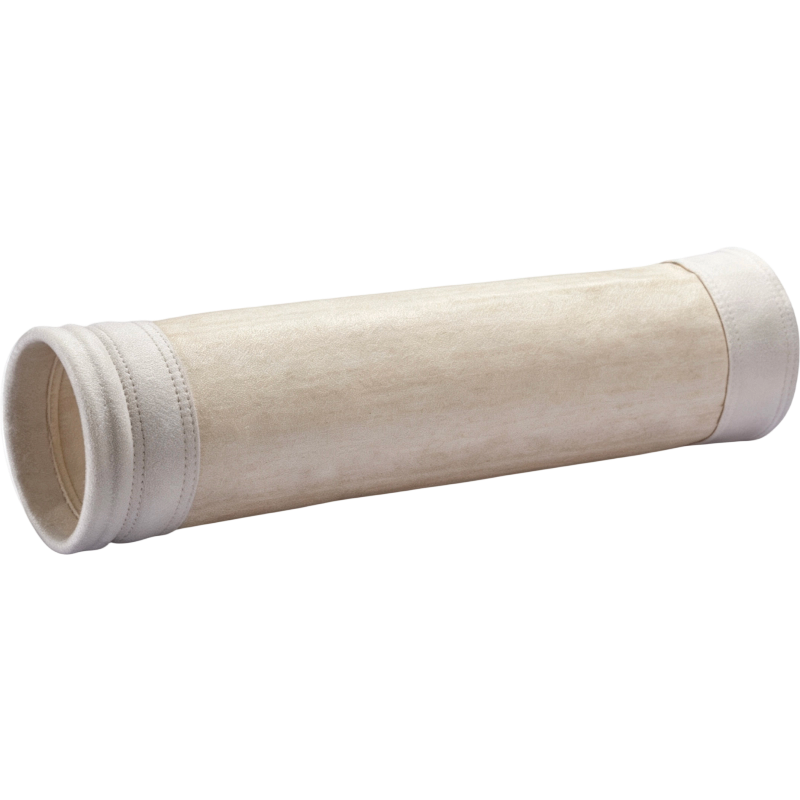
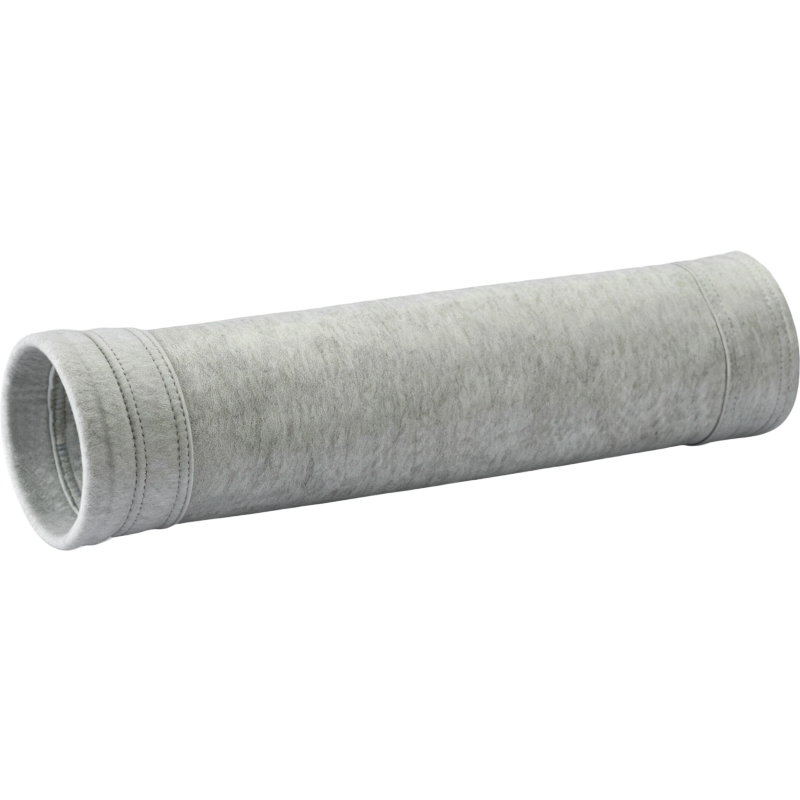
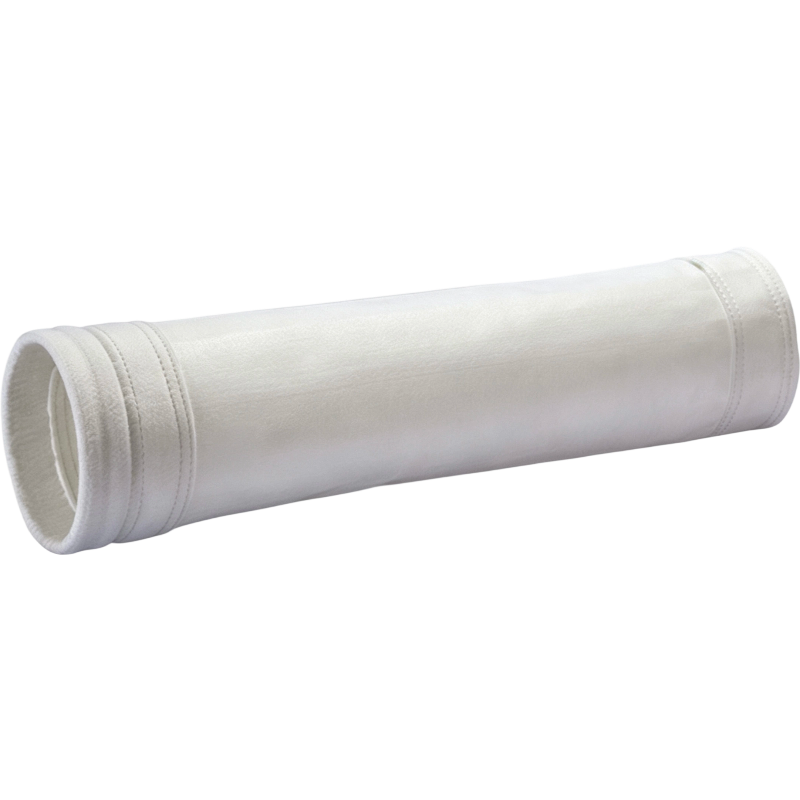
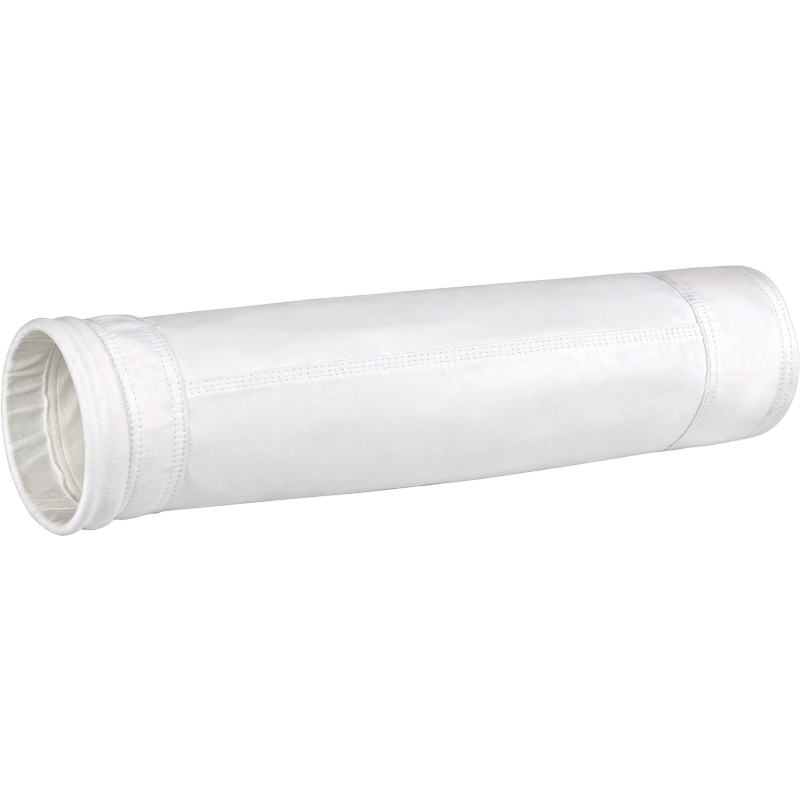
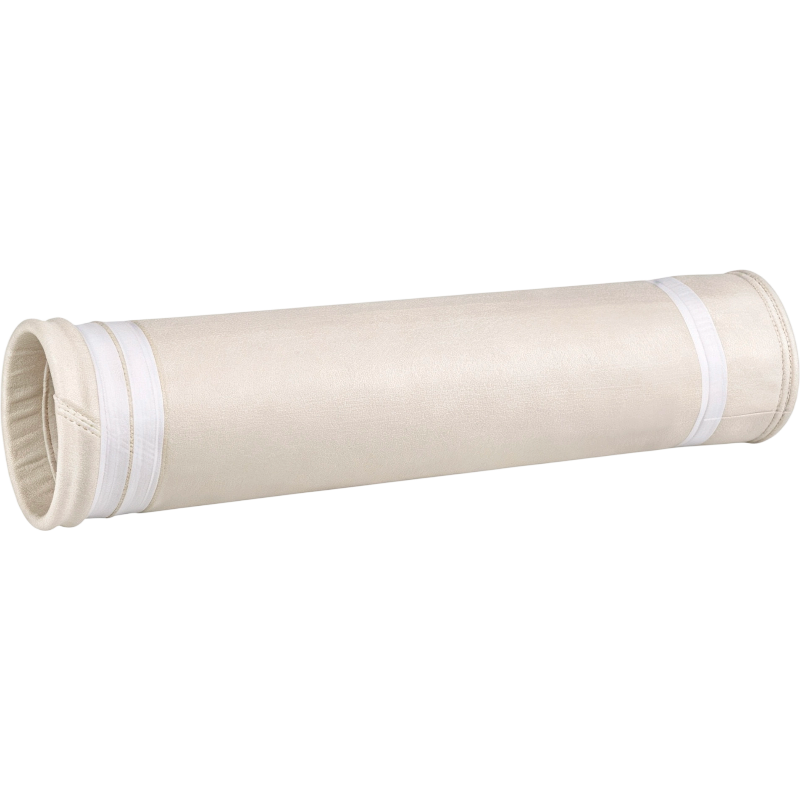
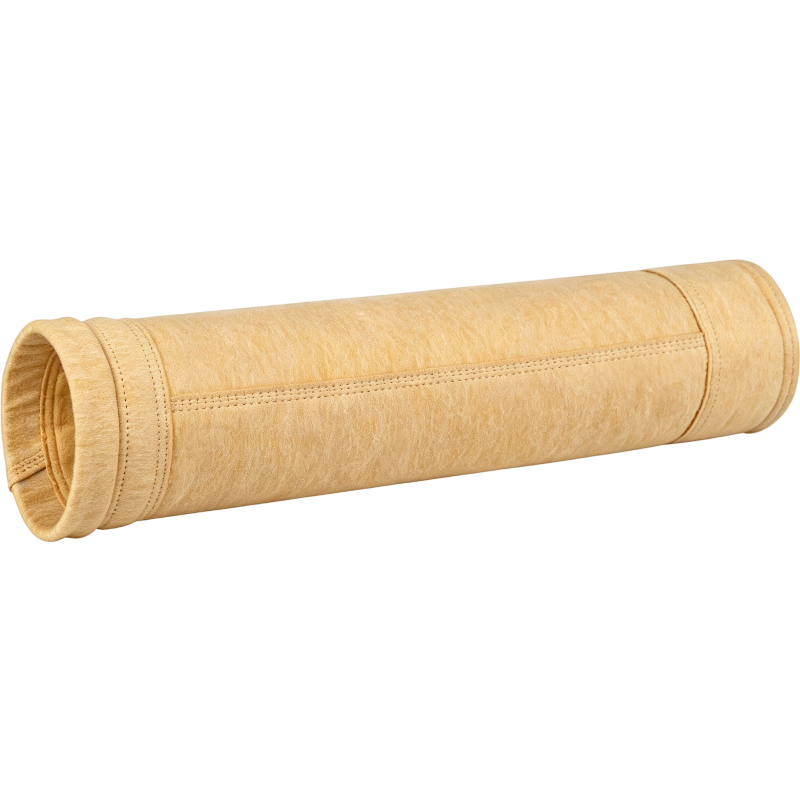
Different filter media have specific ranges of applicability regarding temperature resistance, chemical resistance, and operating conditions. Polyester needle-felt is commonly used for dry dust at ambient temperatures; PPS is suitable for applications such as coal-fired boilers and flue gas containing sulfur; Nomex and P84 are employed in various medium-to-high-temperature flue gas environments; and PTFE—available in forms such as membrane-laminated media or pure PTFE needle-felt—is suited for ultra-fine dust or highly corrosive operating conditions. Membrane-laminated media and pure PTFE filter bags differ in their structural composition; therefore, when selecting filter media, it is essential to specify the base material, the lamination method, and the operating conditions, while relying on the technical parameters provided by the supplier.

FAQs

Frequently asked questions related to this article.

View details

What dimensions and configurations are available for custom dust filter bags?

Customization is available for diameters ranging from Φ120–200 mm and lengths from 1000–8000 mm. We also offer circular, custom-shaped, and large-diameter filter bags, with options for reinforced bag openings and bottoms. Before placing a custom order, please verify the tube sheet hole diameter of the dust collector, the dimensions of the filter cage, the available installation space, and the connection method.

What is the temperature resistance range of the filter bag?

Different materials have varying tolerances for continuous and instantaneous temperatures. Reference values ​​include: PET (continuous temperature ≤120°C), PPS (≤190°C), Nomex (≤200°C), and both P84 and pure PTFE (≤260°C). Determining the actual operating temperature range also requires consideration of factors such as flue gas humidity, chemical composition, and operational fluctuations.

For which operating conditions is each type of filter bag material suitable?

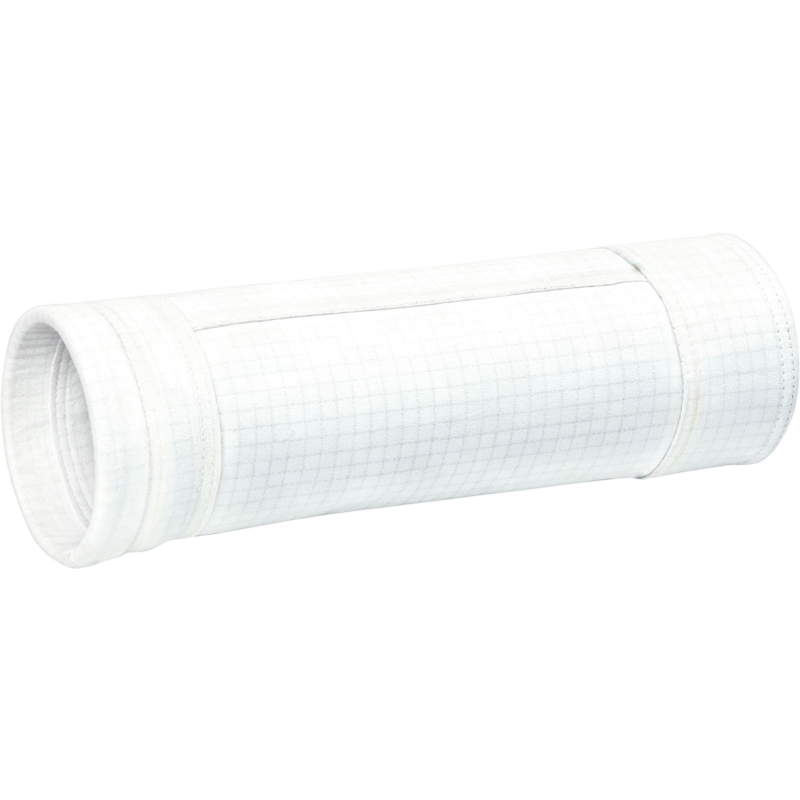
Polyester is commonly used for dry dust at ambient temperatures, while PPS is typically employed for flue gas containing sulfur. Nomex, P84, and PTFE are suitable for various temperature ranges or corrosive environments. Specialized treatments—such as oil- and water-repellent coatings, membrane lamination, and antistatic finishes—are applied to address specific dust-related operating conditions. The appropriate material should be selected based on actual flue gas conditions and the technical specifications provided by the filter bag supplier.

What criteria should be considered when selecting dust filter bags?

When selecting equipment, it is necessary to determine the flue gas temperature, humidity, dust characteristics, corrosivity, and the dust-cleaning method, while also verifying the dimensions of the filter bags and the structure of the dust collector. Operating conditions involving high temperatures, the presence of oil or moisture, ultra-fine particles, or corrosive substances impose specific requirements on the filter media and their surface treatments.

What role do filter bags play in a dust collector?

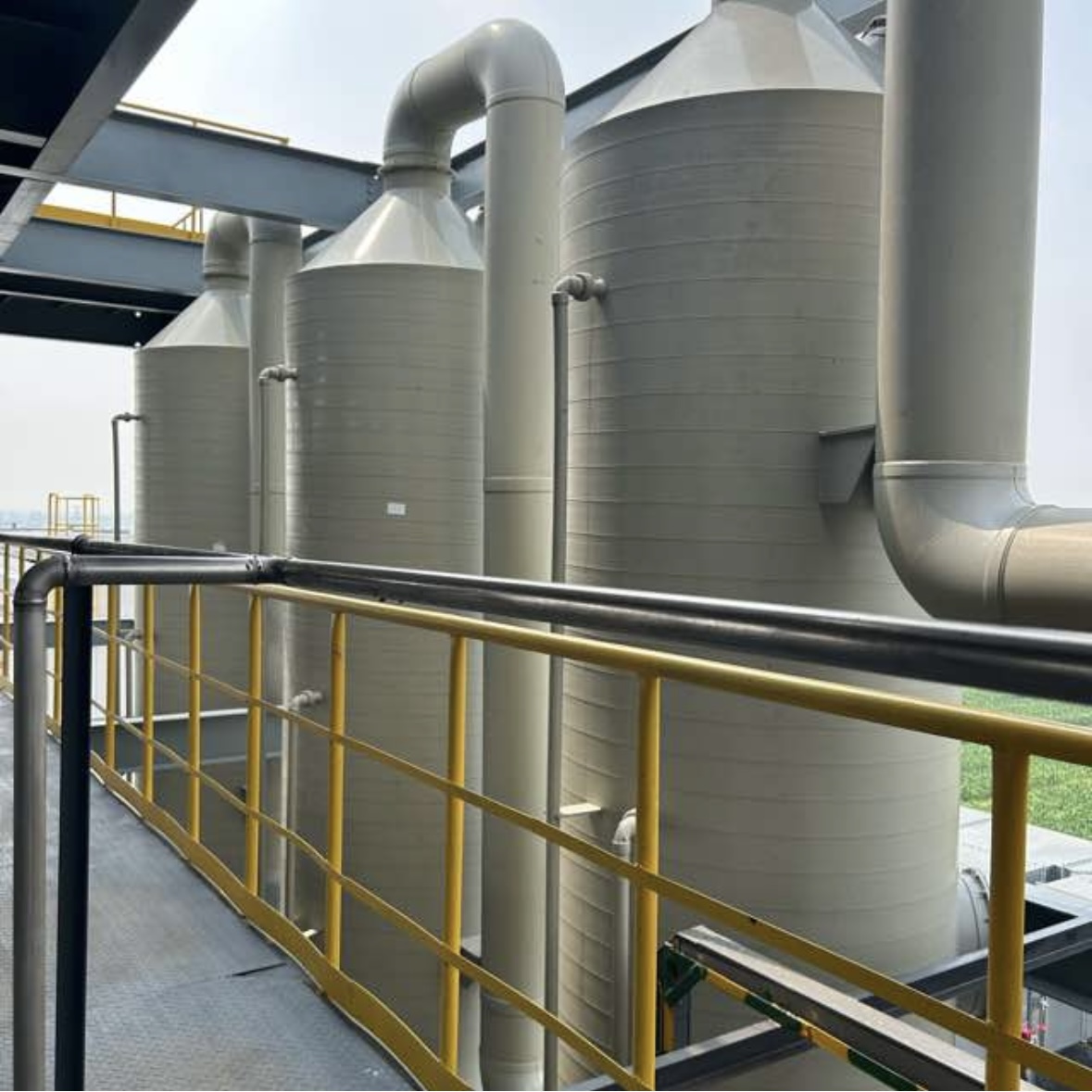
The filter bag is the core filtration component of a fabric dust collector. As dust-laden gas passes through the filter medium, dust particles are captured through mechanisms such as inertial impaction, interception, diffusion, and filtration by the initial dust layer. The material, structure, and dimensions of the filter bag influence both the filtration efficiency and the operating resistance of the equipment.

Contact us

If you have questions or need help, contact our team for dedicated support.

We look forward to hearing from you

Submit