







View details
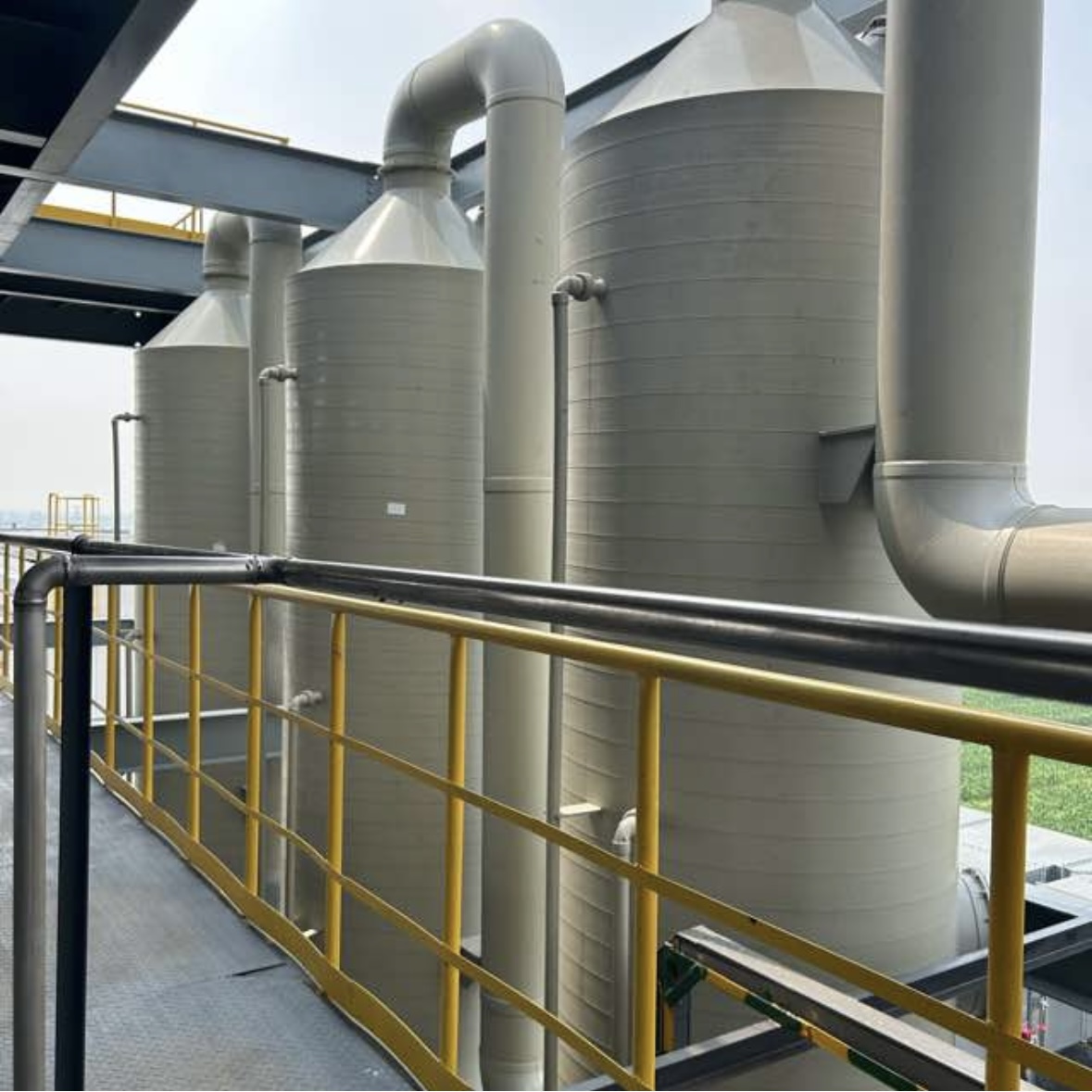
Dust removal equipment
1794533559000
How to Select Dust Filter Bags? Key Considerations Regarding Temperature, Humidity, and Dust Characteristics
Online


Send email


Product details
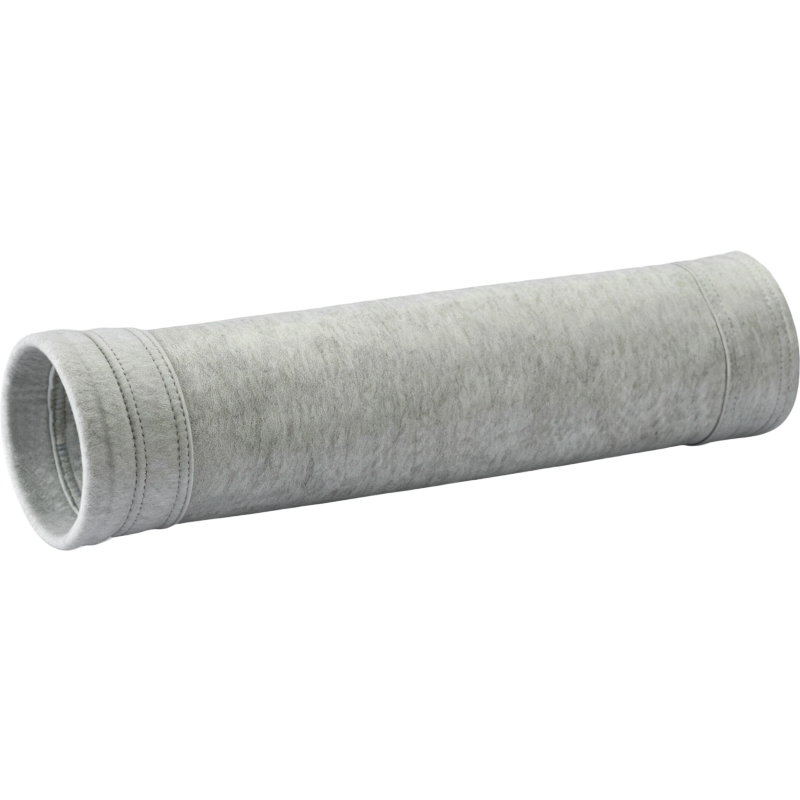
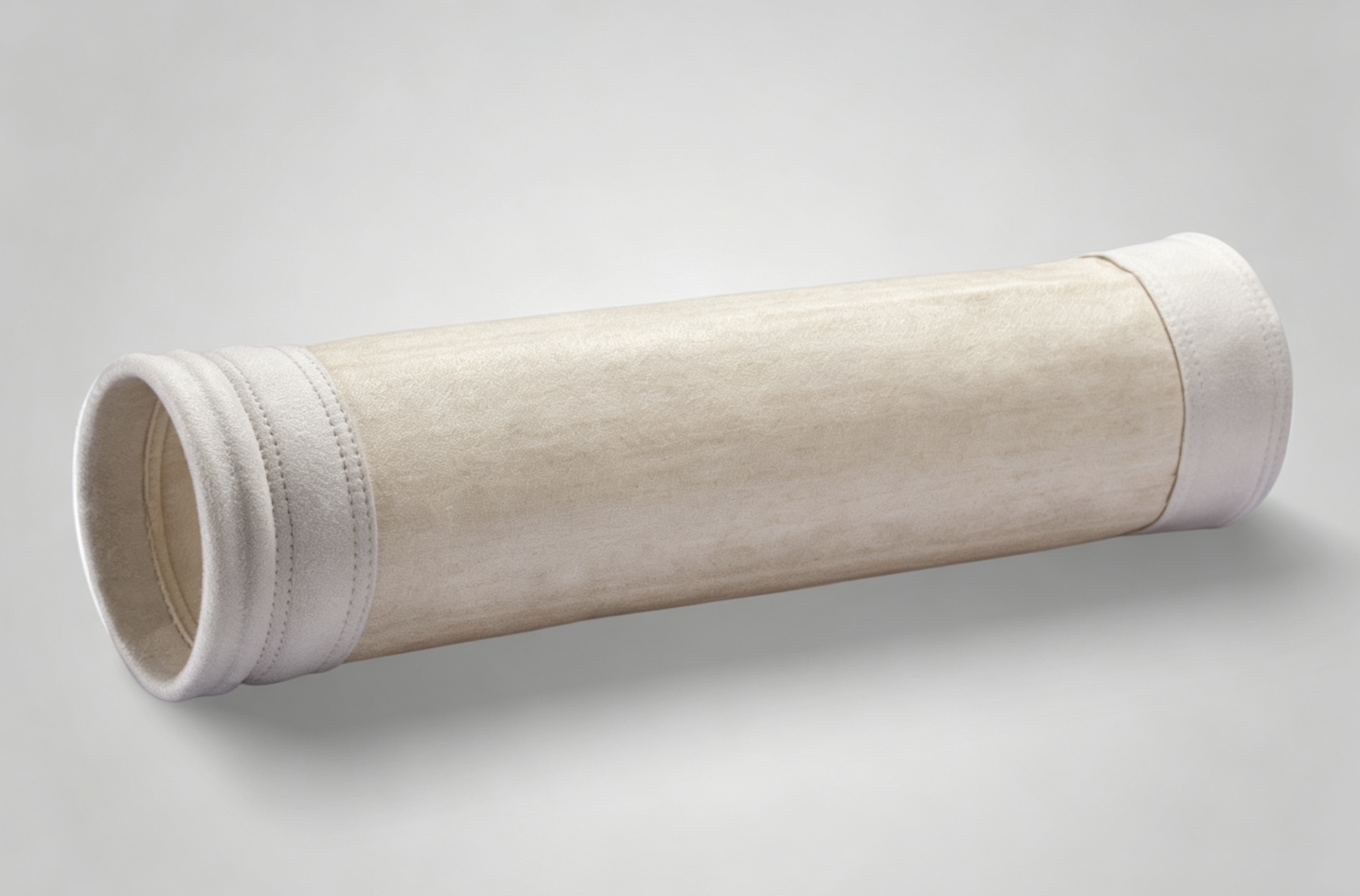
Polyester-blend conductive filter bag
Equipment Introduction
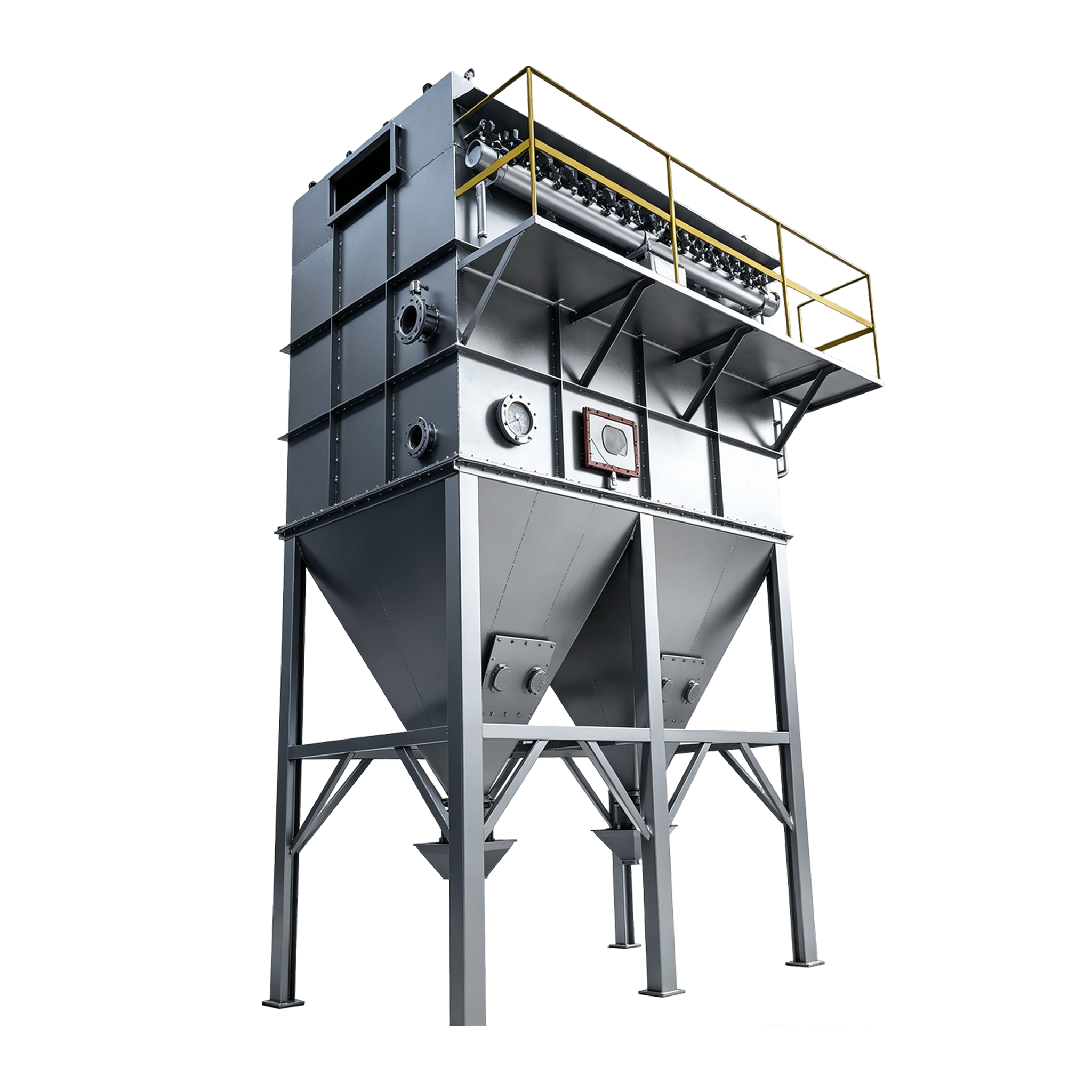
Dust filter bags (also known as filter sleeves) serve as the core filtration components in fabric-filter dust collectors, directly determining dust removal efficiency, operational resistance, and service life. Manufactured from needle-punched felt or woven filter media using specialized sewing techniques, these bags capture dust particles through a combination of mechanisms—including inertial impaction, interception, diffusion, electrostatic attraction, and filtration via an initial dust layer—making them essential components for achieving ultra-low emission levels.
Applicable Operating Conditions
Dry dust at ambient temperatures (≤120°C): Polyester needle-punched felt
Sulfur-containing flue gas from coal-fired boilers (≤190°C): PPS needle-punched felt
High-temperature industrial furnaces/kilns (≤200–260°C): Nomex, P84, or PTFE
High-humidity, oily, or ultra-fine dust: PTFE-membrane-laminated filter media; oil- and water-repellent treatments
Highly corrosive flue gas: PTFE filter bags
Customizable dimensions: diameter Φ120–200 mm, length 1000–8000 mm
Types, Parameters, and Specifications of Filter Bags
Full Range of Filter Media: Specifications, Operating Conditions, Advantages, and Parameters
Polyester (PET) Needle-Punched Felt Filter Bags: Temperature resistance ≤130°C; suitable for dry, neutral dust at ambient temperatures. Offers high cost-effectiveness, excellent abrasion resistance, and good air permeability. Can be enhanced with "three-proof" treatments (water-repellent, oil-repellent, and anti-static) or membrane lamination; widely used for general industrial dust collection.
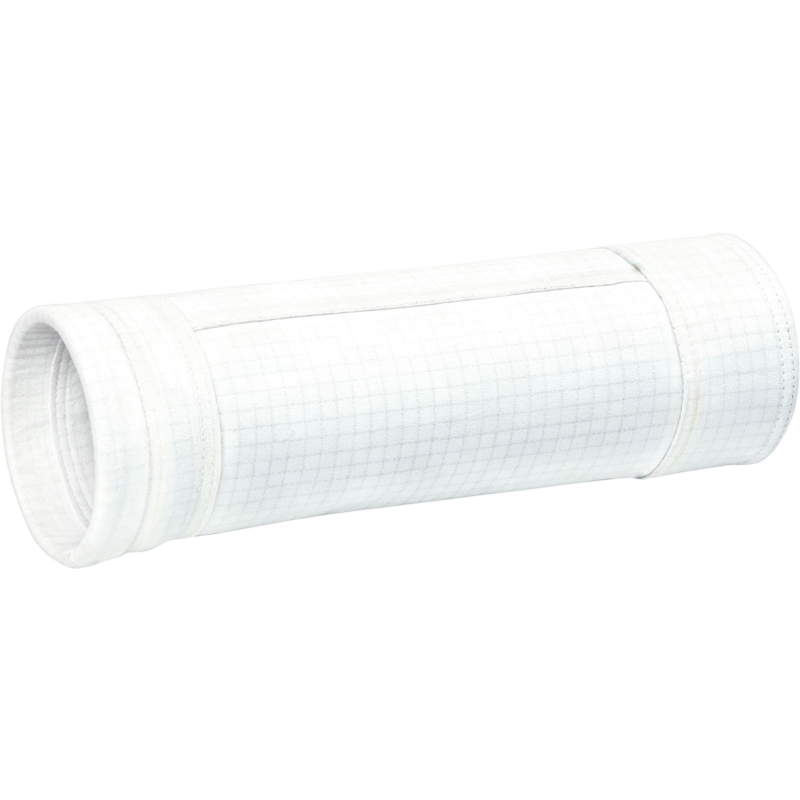
Anti-Static Polyester Filter Bags: Blended with modified conductive fibers to provide a high level of explosion protection. Designed for flammable and explosive dusts—such as coal, aluminum, or wood dust—to prevent static accumulation and eliminate the risk of dust explosions.
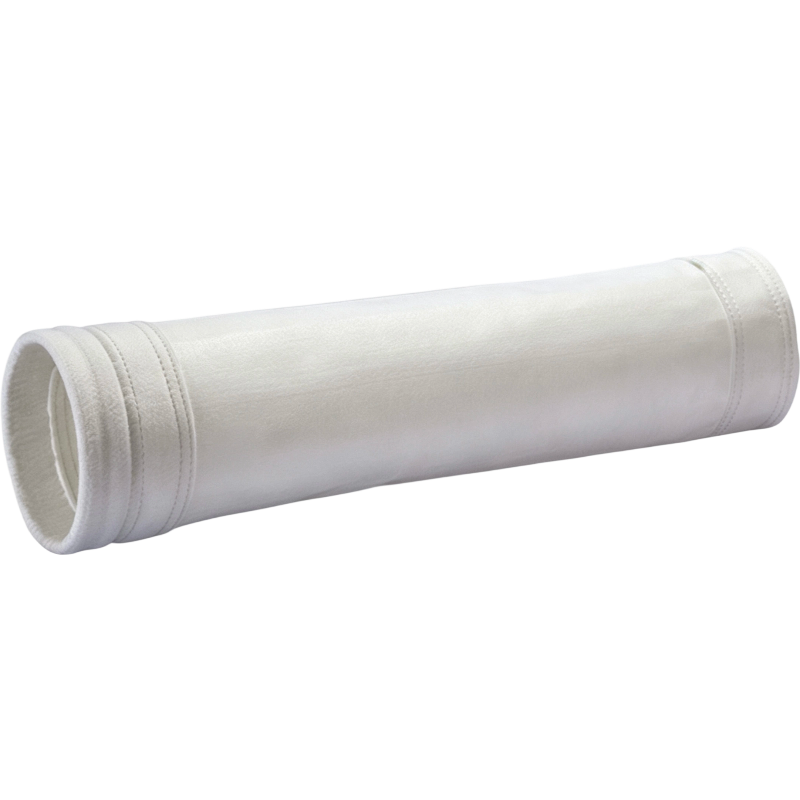
Membrane-Laminated Polyester Filter Bags: Feature an ePTFE microporous membrane (pore size 0.2–0.5 μm) on the surface. Prevents the penetration of ultra-fine dust, ensures thorough cleaning, and avoids "blinding" (clogging) of the bag. Ideal for applications requiring ultra-low emissions or involving ultra-fine dust.
Polypropylene (PP) Needle-Punched Felt Filter Bags: Temperature resistance ≤90°C; highly resistant to strong acids, strong alkalis, and hydrolysis. The preferred choice for chemical pickling processes, corrosive flue gas, and high-humidity operating environments.
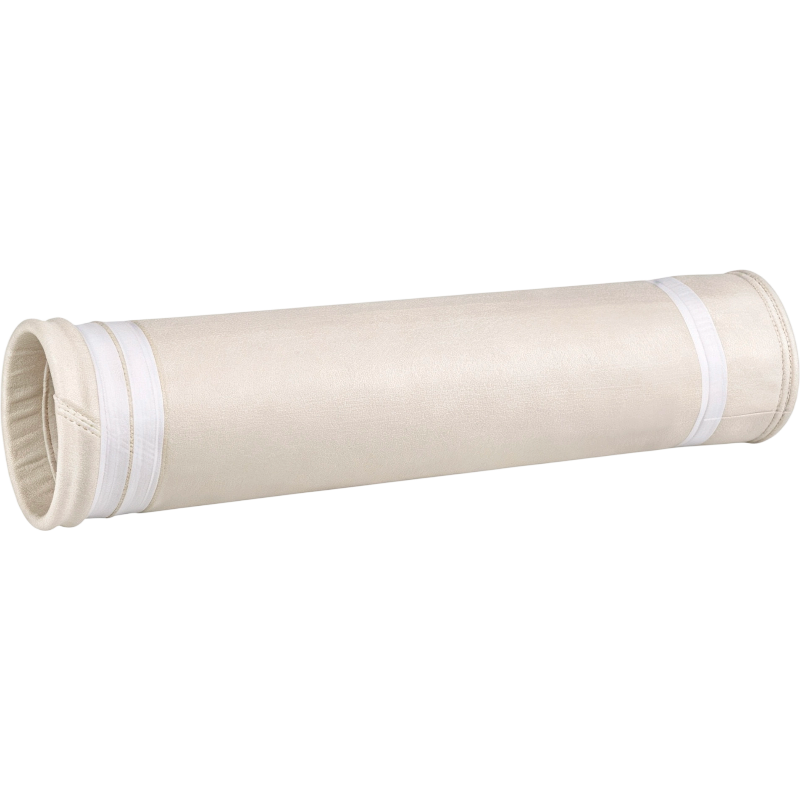
PPS (Polyphenylene Sulfide) Filter Bags: Long-term temperature resistance of 160–190°C; resistant to sulfur and weak acids. Specifically designed for sulfur-containing flue gas from coal-fired boilers and industrial kilns; offers excellent aging resistance and a long service life.
Acrylic (Medium-Temperature) Filter Bags: Temperature resistance 120–140°C; resistant to mild acids and alkalis. A cost-effective solution for medium-temperature applications; suitable for small-to-medium kilns and the low-temperature sections of cement plants.
Nomex (Aramid) Filter Bags: Long-term temperature resistance of 200–220°C; exhibits superior abrasion and heat resistance. Suitable for high-temperature flue gas applications, such as asphalt mixing plants and metallurgical processes.
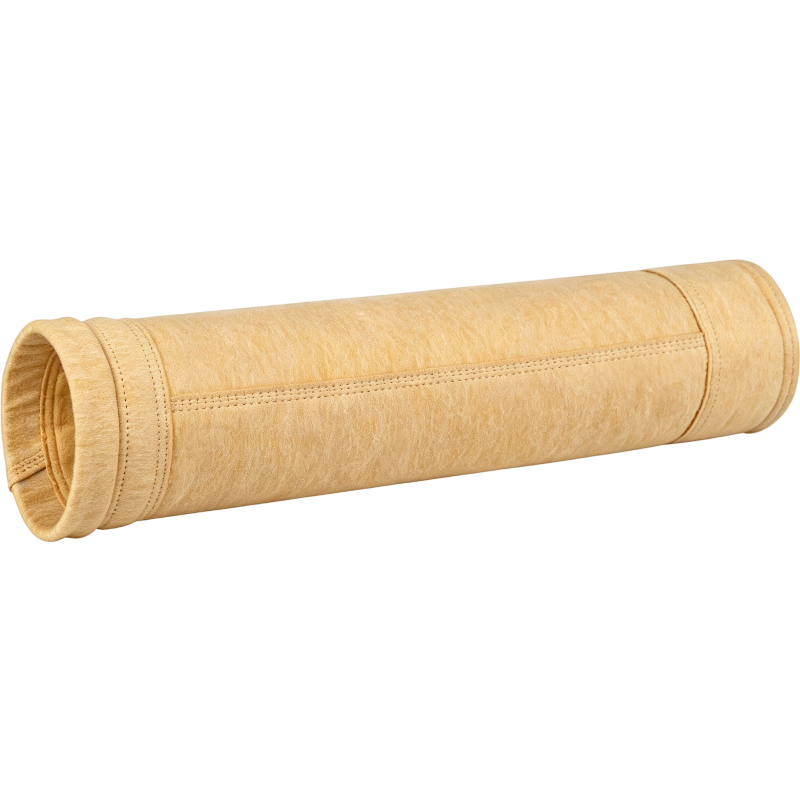
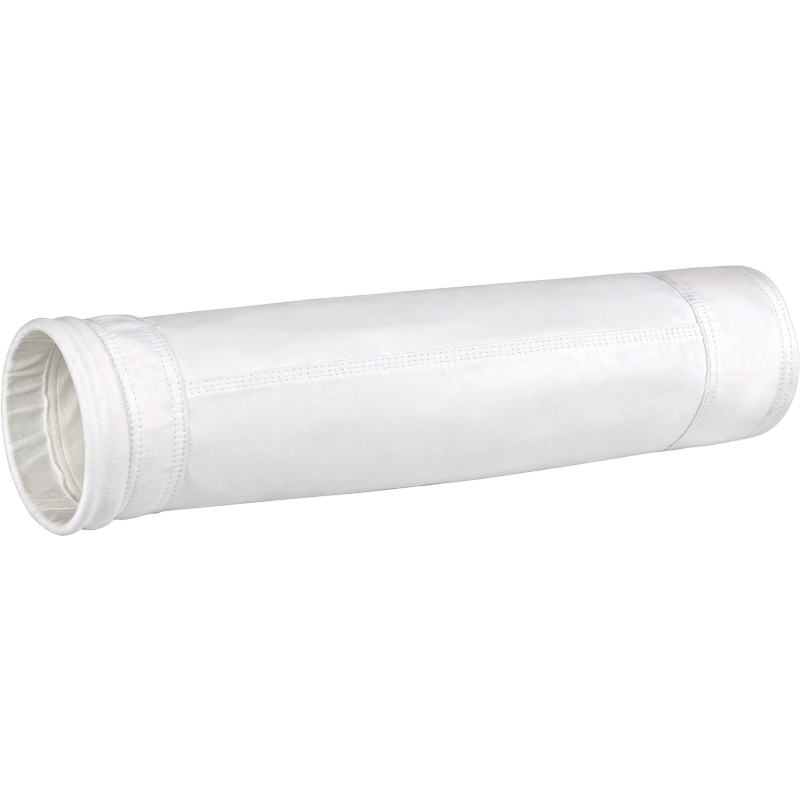
P84 (Polyimide) Filter Bags: Long-term temperature resistance of 240–260°C; features a unique, non-circular fiber structure that provides exceptionally high filtration precision. Suitable for waste incineration, glass kilns, and high-temperature flue gas containing strong oxidizing agents. PTFE Filter Bags: Capable of withstanding temperatures from -200°C to 260°C; resistant to strong acids, strong alkalis, severe corrosion, and oxidation. Designed specifically for extreme chemical environments, these bags offer an exceptionally long service life.
Standard Specifications: Fabric weight ranges from 450 to 800 g/m². Custom shapes—including circular, non-standard, and large-diameter configurations—are available. The bag openings and bottoms are reinforced, and construction options include both heat-sealing and sewing techniques.
Customization Services: Tailored dimensions, modifications for specific operating conditions, membrane lamination, explosion-proof designs, and anti-corrosion treatments.
Selection Table for Common Filter Media Materials
|
Filter media material |
Grammage |
Continuous temperature resistance |
Instantaneous temperature resistance |
Typical Applicable Operating Conditions |
|
Polyester needle-punched felt (PET) |
550 g/㎡ |
≤120℃ |
150℃ |
Dust from woodworking, building materials, and grain, as well as dust generated during ambient-temperature drying processes |
|
Oil- and Water-Repellent Polyester Needle-Punched Felt |
550 g/㎡ |
≤120℃ |
150℃ |
Moist and oily waste gas, such as that from steel plant converters |
|
Anti-static polyester needle-punched felt |
550 g/㎡ |
≤120℃ |
150℃ |
Explosive dusts such as pulverized coal, aluminum powder, and flour |
|
PPS needle-punched felt |
550 g/㎡ |
≤190℃ |
220℃ |
Flue gas from coal-fired boilers, waste incineration, and processes containing sulfur oxides |
|
Nomex |
550 g/㎡ |
≤200℃ |
240℃ |
Asphalt mixing, industrial furnaces and kilns, high-temperature flue gas |
|
P84 needle-punched felt |
550 g/㎡ |
≤260℃ |
280℃ |
Cement kiln tail, glass furnace, and high-temperature dust-laden flue gas |
|
PTFE-laminated polyester |
550 g/㎡ |
≤120℃ |
150℃ |
Ultrafine dust, high-humidity operating conditions, ultra-low emissions |
|
PTFE-laminated PPS |
550 g/㎡ |
≤190℃ |
220℃ |
Ultra-low emission retrofitting of coal-fired boilers |
|
Pure PTFE needle-punched felt |
600 g/㎡ |
≤260℃ |
280℃ |
Highly corrosive, high-temperature chemical flue gas |
Standard specifications: common diameter Φ130mm, standard length 2000mm (customizable from 1000mm to 8000mm)
Related products
01
Baghouse dust collector
02
PI filter bag
03
PPS filter bag
04
PTFE filter bag
05
.png)
Fiberglass composite filter bag
06
Polyester Laminated Filter Bag
07
Grid-pattern anti-static filter bag
08
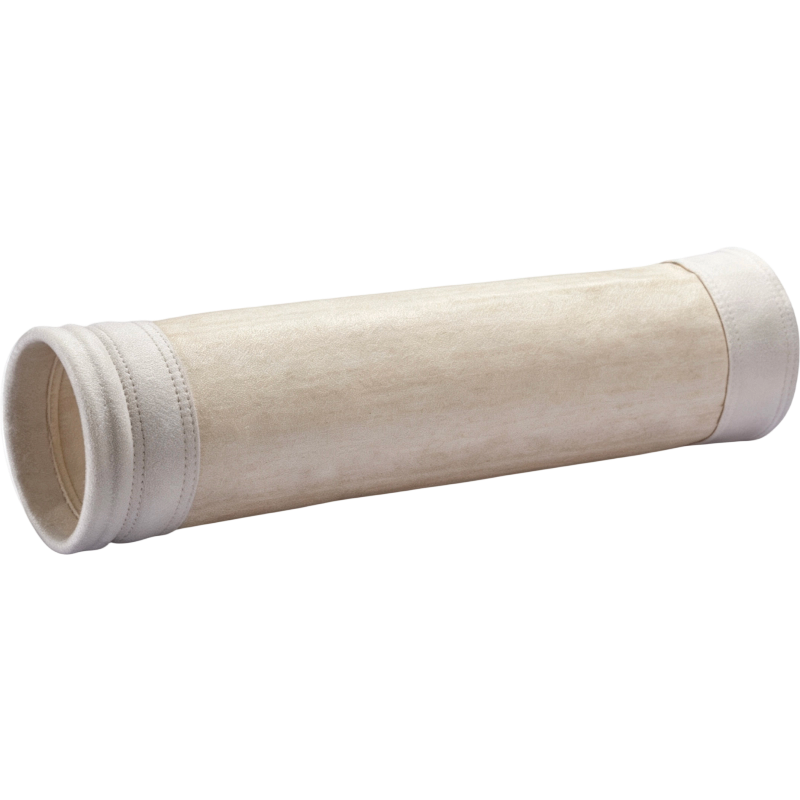
Aramid filter bags
09
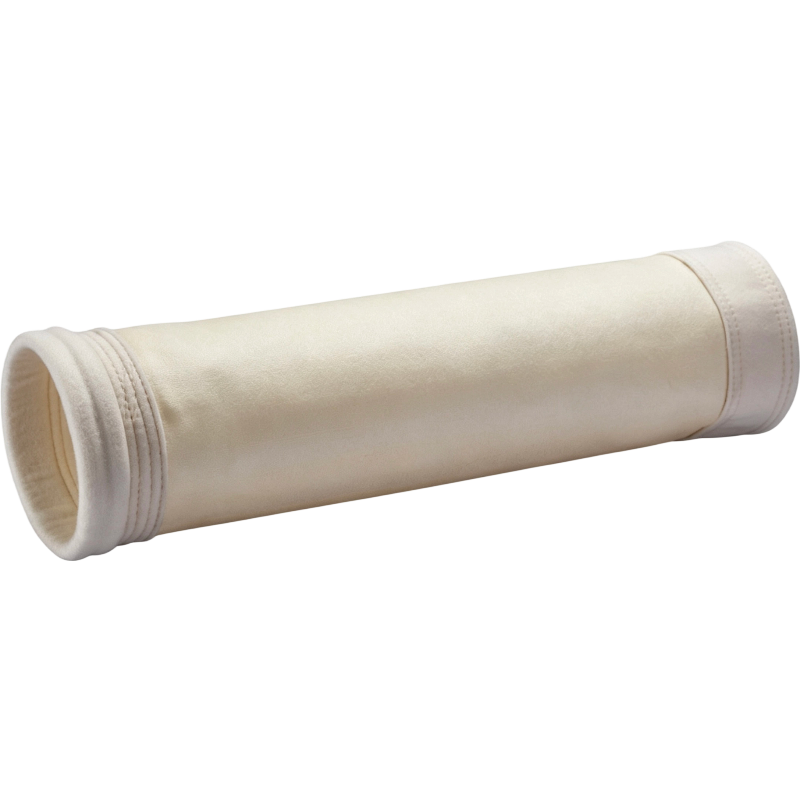
Acrylic filter bag
10
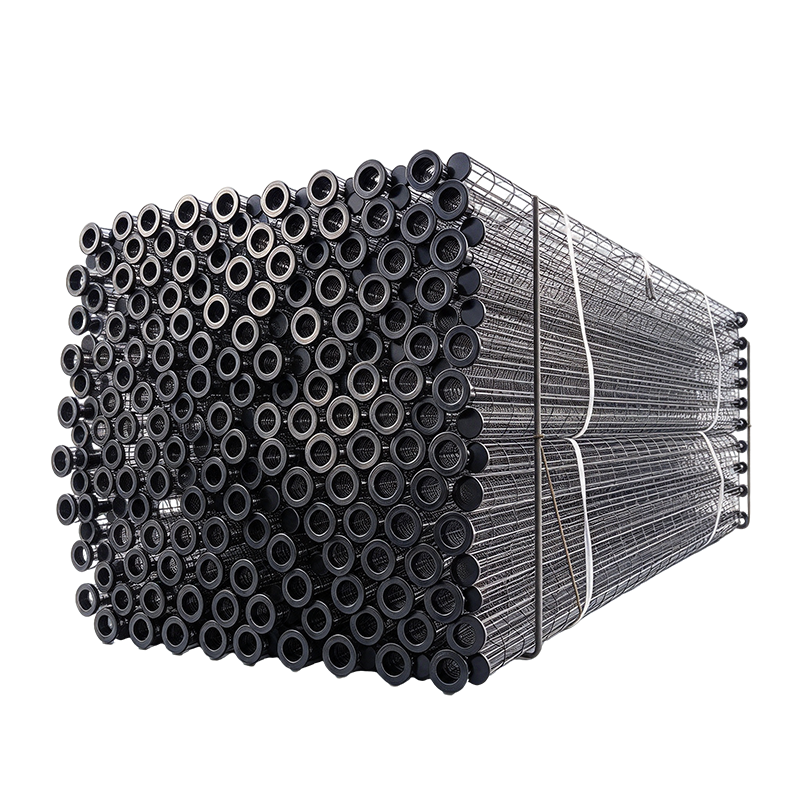
Dust Collector Filter Cages
11
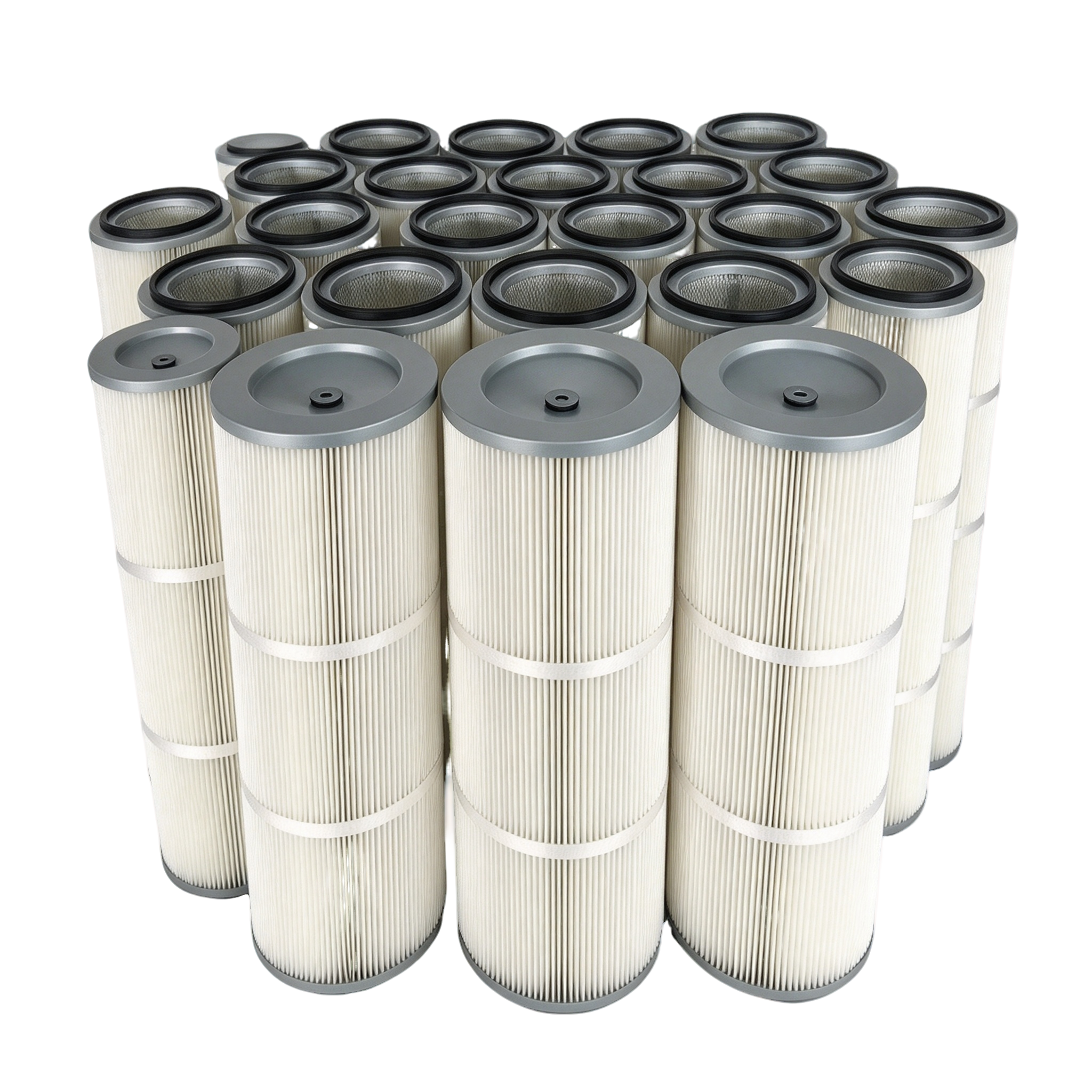
Filter Cartridge for Dust Collection Equipment
12
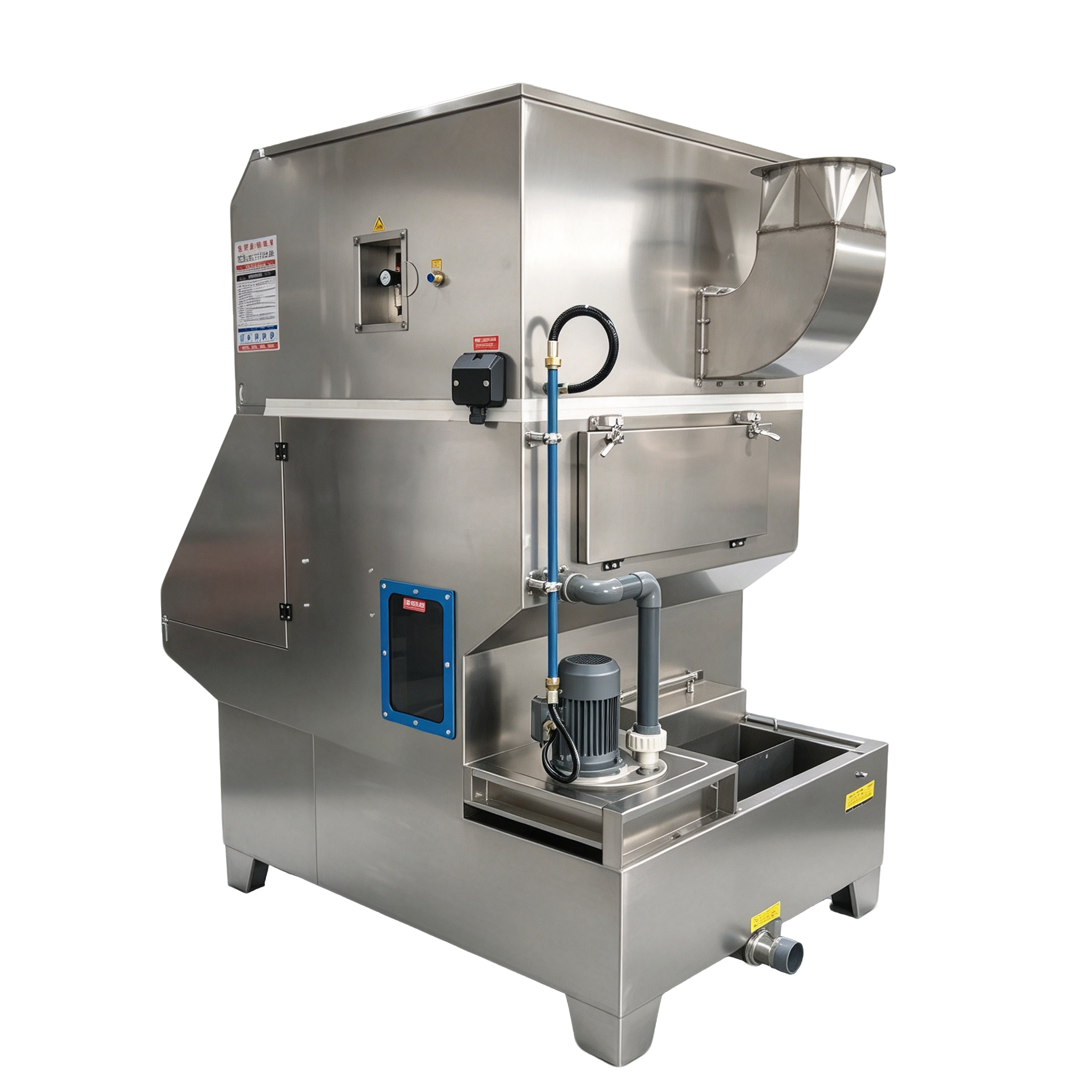
Grinding and Dust-Extraction Workstation
13
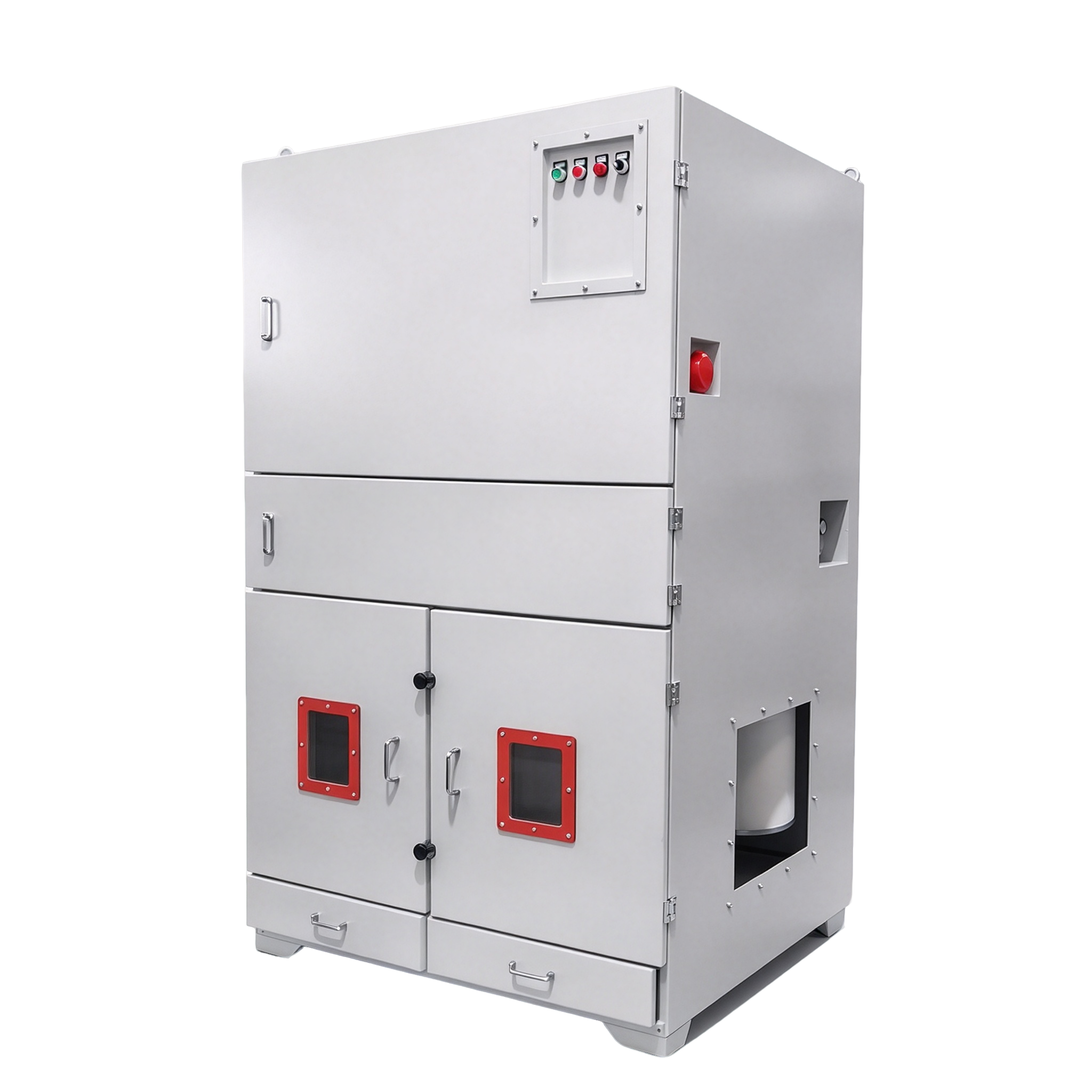
Pulse-jet cartridge dust collector
Related articles
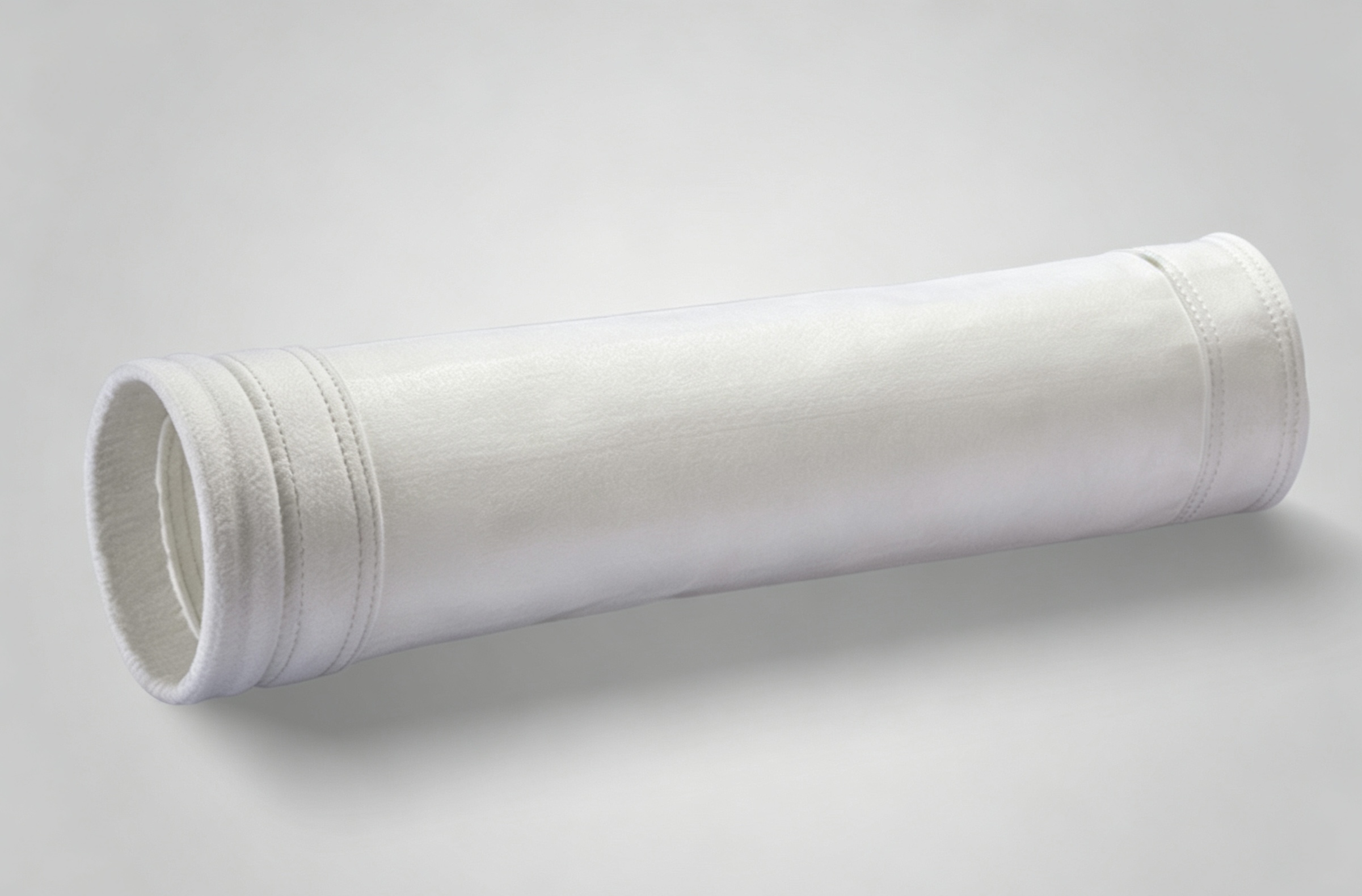
Dust removal equipment
1794533559000
How to Select Dust Filter Bags? Key Considerations Regarding Temperature, Humidity, and Dust Characteristics
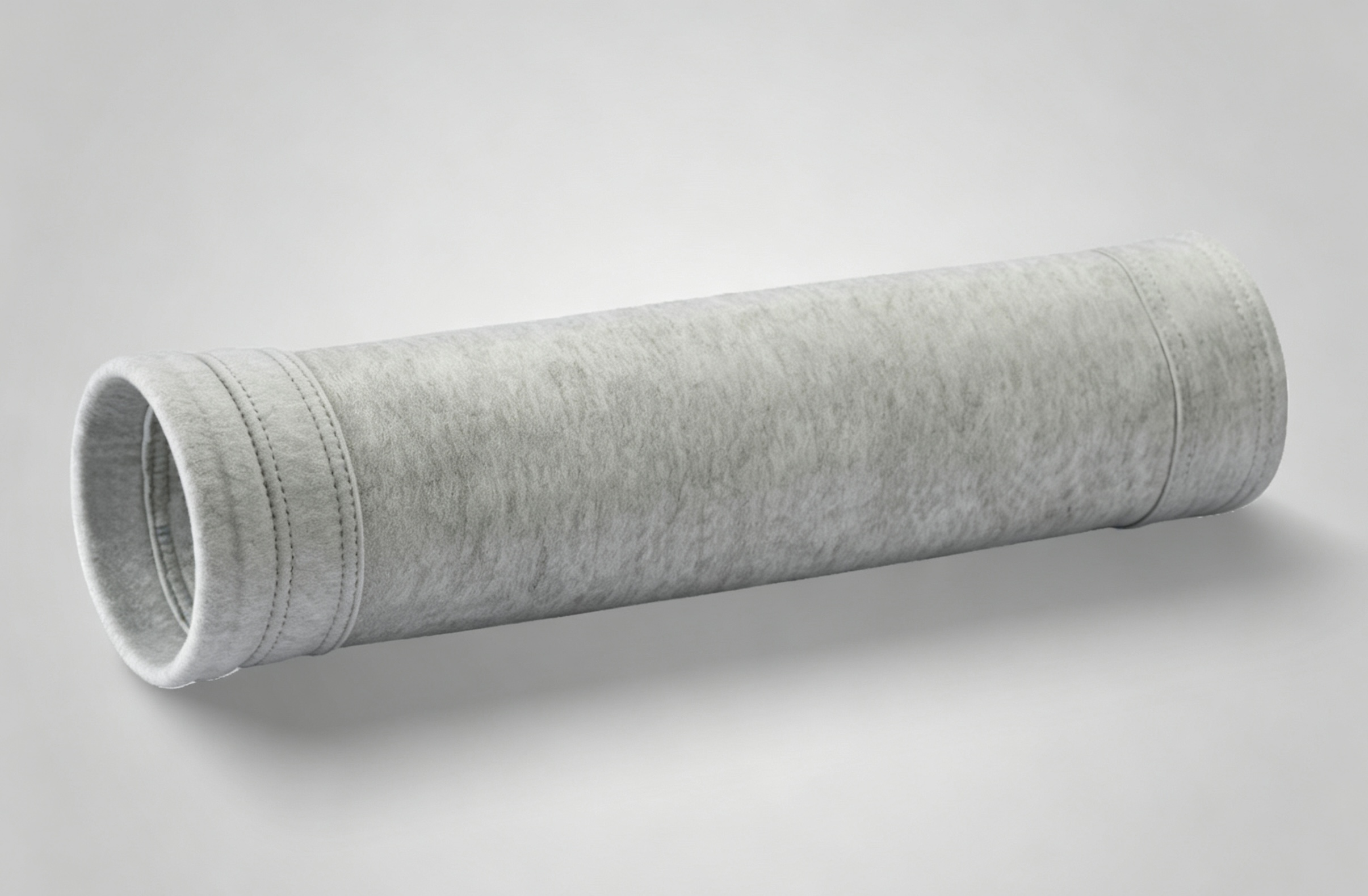
Dust removal equipment
1794533531000
What are the differences between polyester, PPS, P84, and PTFE filter bags? A comparison of common filter media
Dust removal equipment
1794533511000
How to Determine the Dimensions of Dust Filter Bags: Checks Before Customization, Installation, and Replacement
OEM
Customized for your process conditions
Get a tailored solution
FAQs
We could not find what you need. Please contact our team.
View details
What dimensions and configurations are available for custom dust filter bags?
Customization is available for diameters ranging from Φ120–200 mm and lengths from 1000–8000 mm. We also offer circular, custom-shaped, and large-diameter filter bags, with options for reinforced bag openings and bottoms. Before placing a custom order, please verify the tube sheet hole diameter of the dust collector, the dimensions of the filter cage, the available installation space, and the connection method.
What is the temperature resistance range of the filter bag?
Different materials have varying tolerances for continuous and instantaneous temperatures. Reference values include: PET (continuous temperature ≤120°C), PPS (≤190°C), Nomex (≤200°C), and both P84 and pure PTFE (≤260°C). Determining the actual operating temperature range also requires consideration of factors such as flue gas humidity, chemical composition, and operational fluctuations.
For which operating conditions is each type of filter bag material suitable?
Polyester is commonly used for dry dust at ambient temperatures, while PPS is typically employed for flue gas containing sulfur. Nomex, P84, and PTFE are suitable for various temperature ranges or corrosive environments. Specialized treatments—such as oil- and water-repellent coatings, membrane lamination, and antistatic finishes—are applied to address specific dust-related operating conditions. The appropriate material should be selected based on actual flue gas conditions and the technical specifications provided by the filter bag supplier.
What criteria should be considered when selecting dust filter bags?
When selecting equipment, it is necessary to determine the flue gas temperature, humidity, dust characteristics, corrosivity, and the dust-cleaning method, while also verifying the dimensions of the filter bags and the structure of the dust collector. Operating conditions involving high temperatures, the presence of oil or moisture, ultra-fine particles, or corrosive substances impose specific requirements on the filter media and their surface treatments.
What role do filter bags play in a dust collector?
The filter bag is the core filtration component of a fabric dust collector. As dust-laden gas passes through the filter medium, dust particles are captured through mechanisms such as inertial impaction, interception, diffusion, and filtration by the initial dust layer. The material, structure, and dimensions of the filter bag influence both the filtration efficiency and the operating resistance of the equipment.


Contact us
If you have questions or need help, contact our team for dedicated support.
We look forward to hearing from you
Submit
Online
Send email