Select a country or region

Global

English

Industry challenges

Difficult to meet overseas fire-compliance requirements

Overseas industrial fire codes are strict

Basic tanks lack storage capacity and use non-compliant materials

Unable to pass fire-safety acceptance

Insufficient material reliability and limited functions

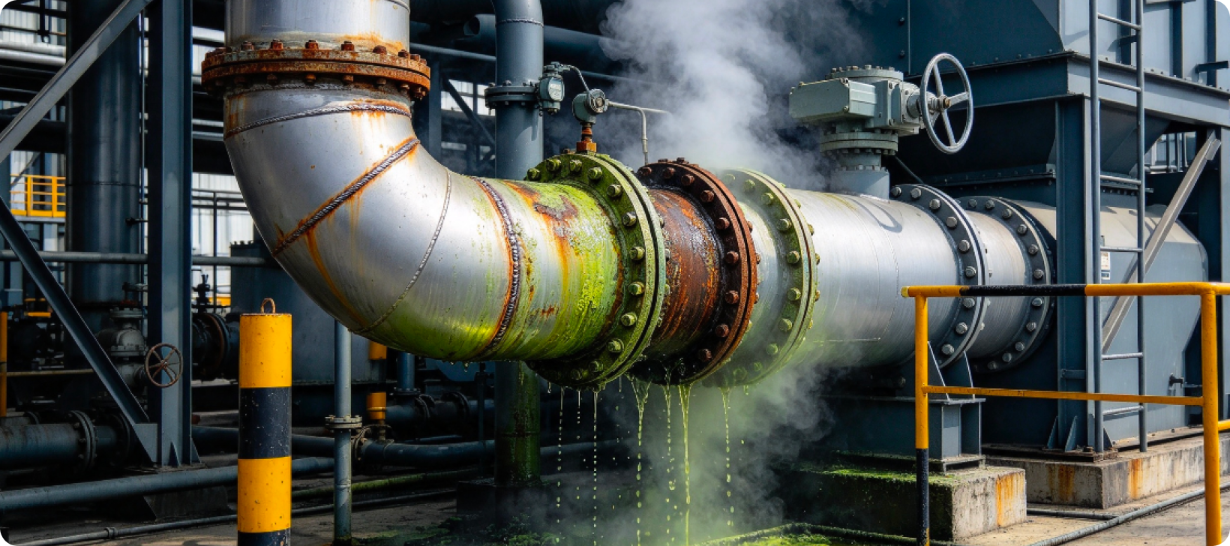
Steel or plastic tanks can corrode, leak, and age, creating a high failure risk during emergencies

Traditional tanks only store water and lack pressure stabilization, makeup water, and warning functions

Unable to meet spray, cooling, and emergency firefighting needs at the same time

Poor installation adaptability and leakage risk

Non-standard tank dimensions are irregular and difficult to fit into limited site space

Poor assembly quality

Prone to leakage and deformation

Our solutions

For critical fire-safety needs in industrial sites, especially exhaust-treatment workshops, we provide an integrated solution combining standardized fire-water storage, emergency pressure stabilization, intelligent water makeup, and long-term corrosion protection.

Customized for industrial environmental applications, the product meets domestic and international fire codes and works with various exhaust-treatment equipment. It provides emergency firefighting, equipment spray makeup water, and system pressure stabilization.

The solution is structurally strong, corrosion-resistant, durable, and intelligently maintained, helping companies pass overseas fire-compliance acceptance.

Related products

01

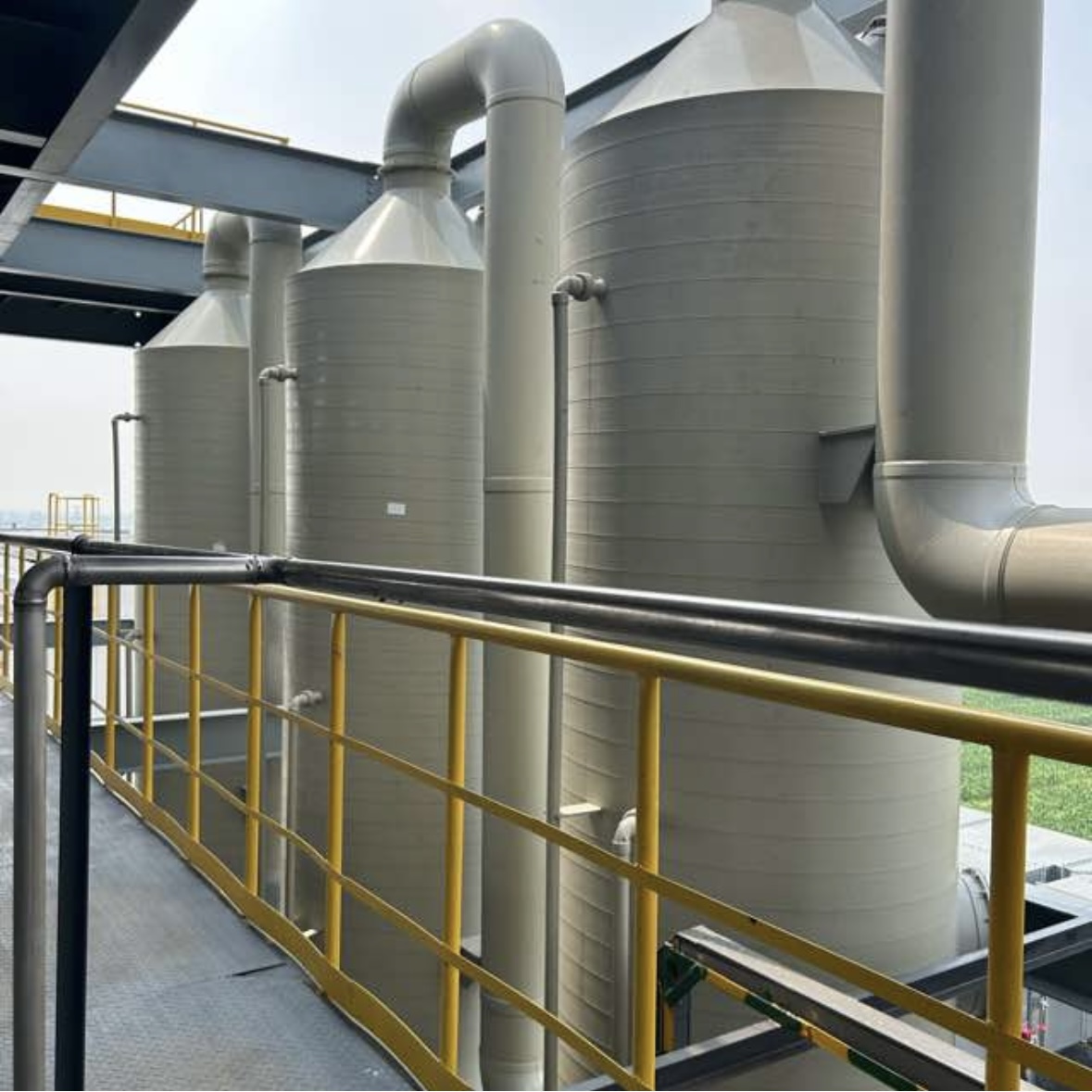
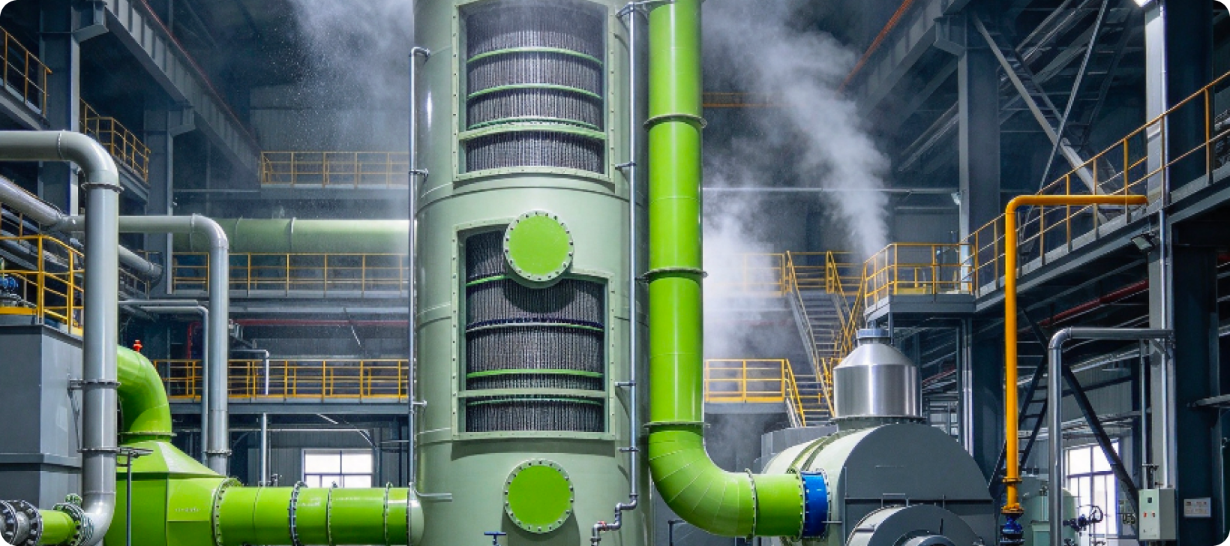
Spray Tower

Spray Tower

Explore industrial spray towers designed for exhaust gas cleaning, pollutant absorption, and particulate removal in various industrial processing applications.

02

Activated Carbon Adsorption Unit

Activated Carbon Adsorption Unit

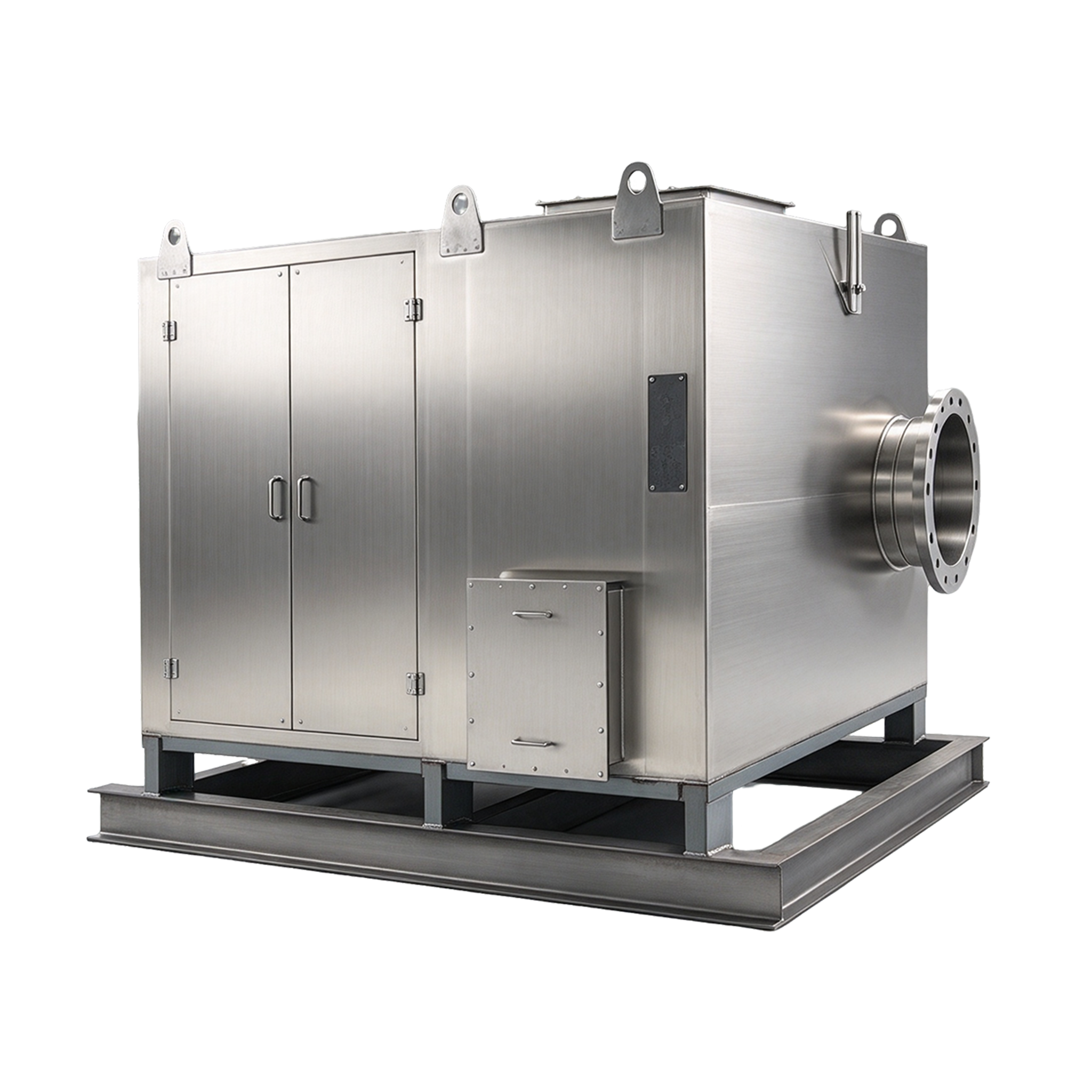
The activated carbon adsorption unit is a modular, drawer-style system designed for the purification of organic waste gases. It utilizes the extensive microporous structure of activated carbon to achieve physical adsorption, making it effective for treating low-concentration, high-volume waste gas streams and odorous emissions. The unit’s housing can be constructed from powder-coated carbon steel, 304/316L stainless steel, or polypropylene (PP). It is filled with either honeycomb or granular/columnar activated carbon, housed in drawer-style filter cartridges that allow for easy installation and replacement. This unit can operate independently or serve as a secondary, high-efficiency purification stage downstream of equipment such as wet scrubbers or UV-based treatment systems; it is a primary solution for the final-stage treatment of industrial waste gases.

03

Activated carbon adsorption tank

Activated carbon adsorption tank

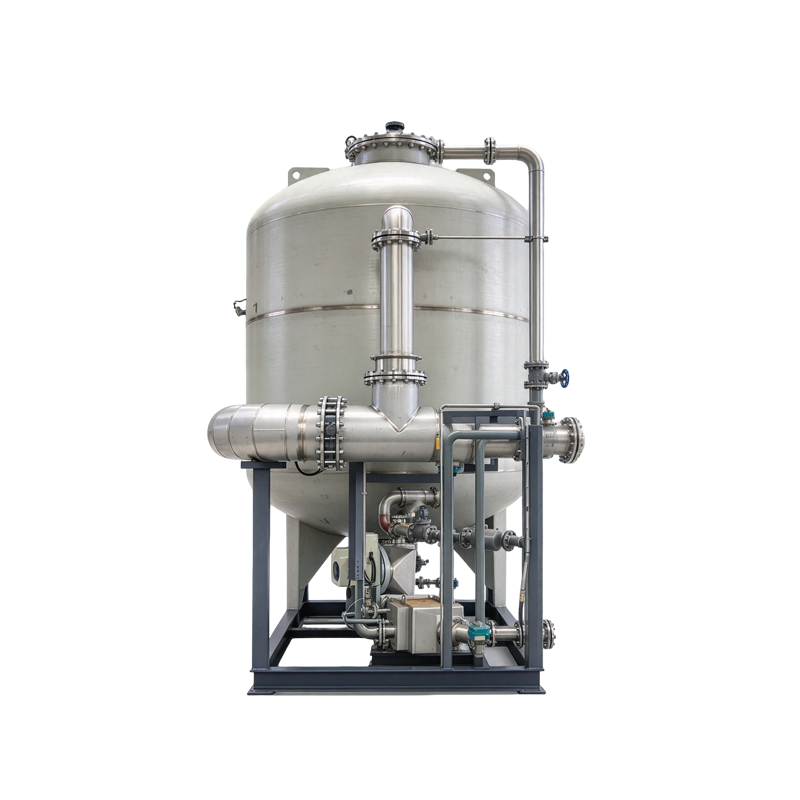
An activated carbon adsorption tank is a vertical, vessel-style adsorption unit. Designed to withstand pressure, it is primarily used for applications involving low-to-medium air volumes that require solvent recovery and the ability to regenerate the adsorbent through desorption. The tank is filled with granular activated carbon and equipped with valves and piping, enabling a cyclic adsorption-desorption operation. It can be constructed from various materials, including anti-corrosion treated carbon steel, 304 stainless steel, or 316L stainless steel. Unlike rectangular adsorption boxes, these tanks are well-suited for enclosed processes and solvent recovery systems.

04

Biological Deodorization Unit

Biological Deodorization Unit

A biological deodorization unit is a system for purifying waste gas through biological processes. It utilizes microbial metabolism to break down substances such as hydrogen sulfide, ammonia, and other volatile odorous compounds. The unit contains biological packing material, the surface of which hosts a population of acclimated, odor-degrading microorganisms. As the waste gas passes through the system, it is first humidified via a spray process before entering the biological filter bed, where the pollutants are degraded by the microorganisms into harmless substances such as carbon dioxide and water.

05

Resin tank

Resin tank

The resin vessel—constructed as a pressure vessel (or non-pressure vessel) from carbon steel, duplex stainless steel, or stainless steel—is filled with macroporous ion-exchange resin for the adsorption of gaseous media. In exhaust gas treatment applications, it is used for the adsorption and recovery of organic waste gases. The vessel is equipped with internal water/gas distribution components, as well as upper and lower Johnson-type screen pipes or screen plates, to ensure uniform distribution of the media.

06

Absorption tower

Absorption tower

Waste gas enters from the bottom of the tower and flows upward, while an absorbent is sprayed from the top and flows downward, creating a counter-current gas-liquid contact. Pollutants in the waste gas are transferred into the liquid phase, where they undergo dissolution or neutralization reactions. The purified gas passes through a demister at the top of the tower before being discharged. The absorbent liquid is circulated from the bottom of the tower, with fresh reagents added or spent liquid removed as needed, depending on operational conditions.

07

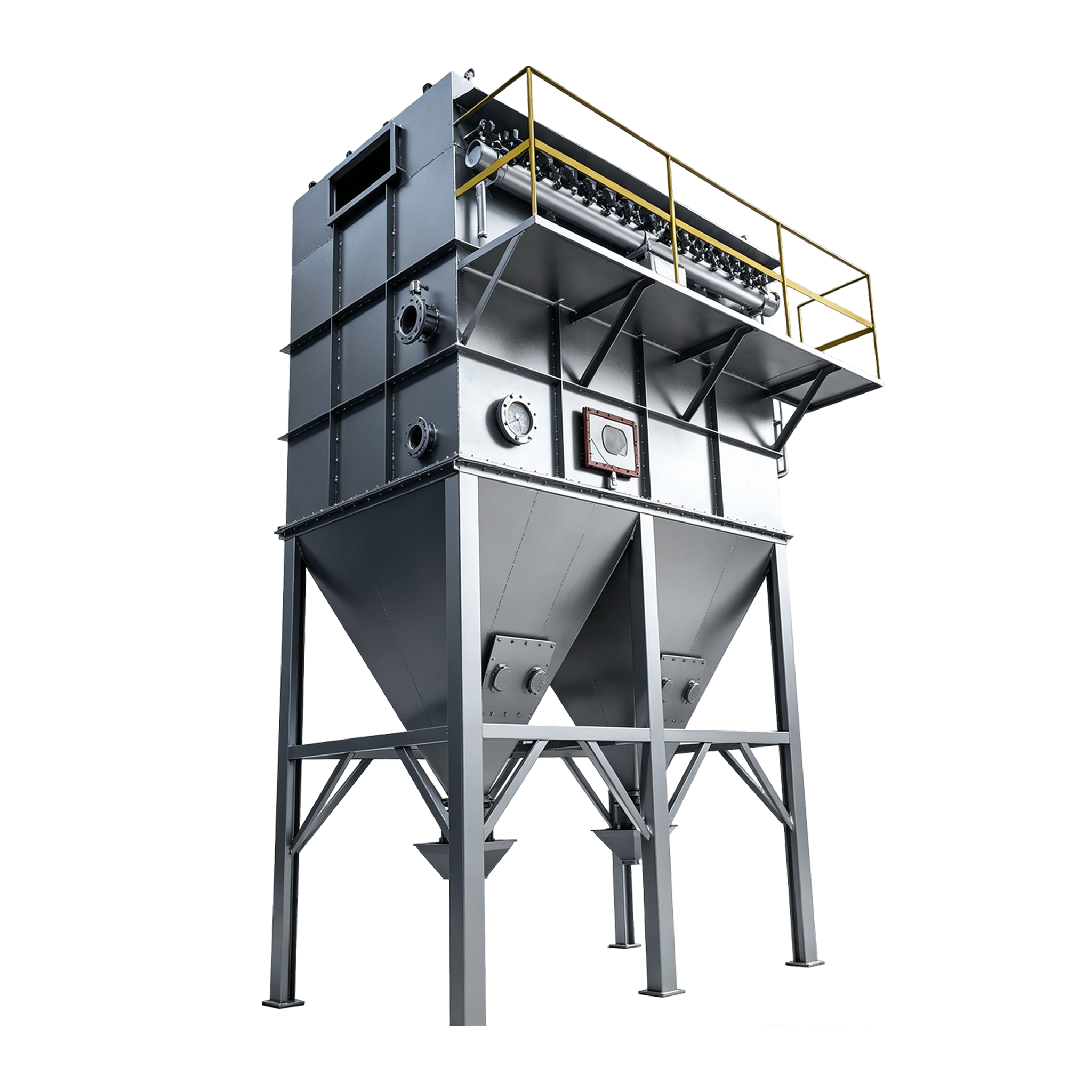
Baghouse dust collector

Baghouse dust collector

A baghouse dust collector is a highly efficient, dry-type filtration system that uses fabric filter bags to capture solid particulate matter from dust-laden gas. It employs pulse-jet cleaning technology to regenerate the filter bags, allowing for continuous, on-line operation. With a dust removal efficiency exceeding 99.5% and outlet emission concentrations as low as 10 mg/m³ or less, it serves as the primary equipment for industrial dust control and material recovery.

08

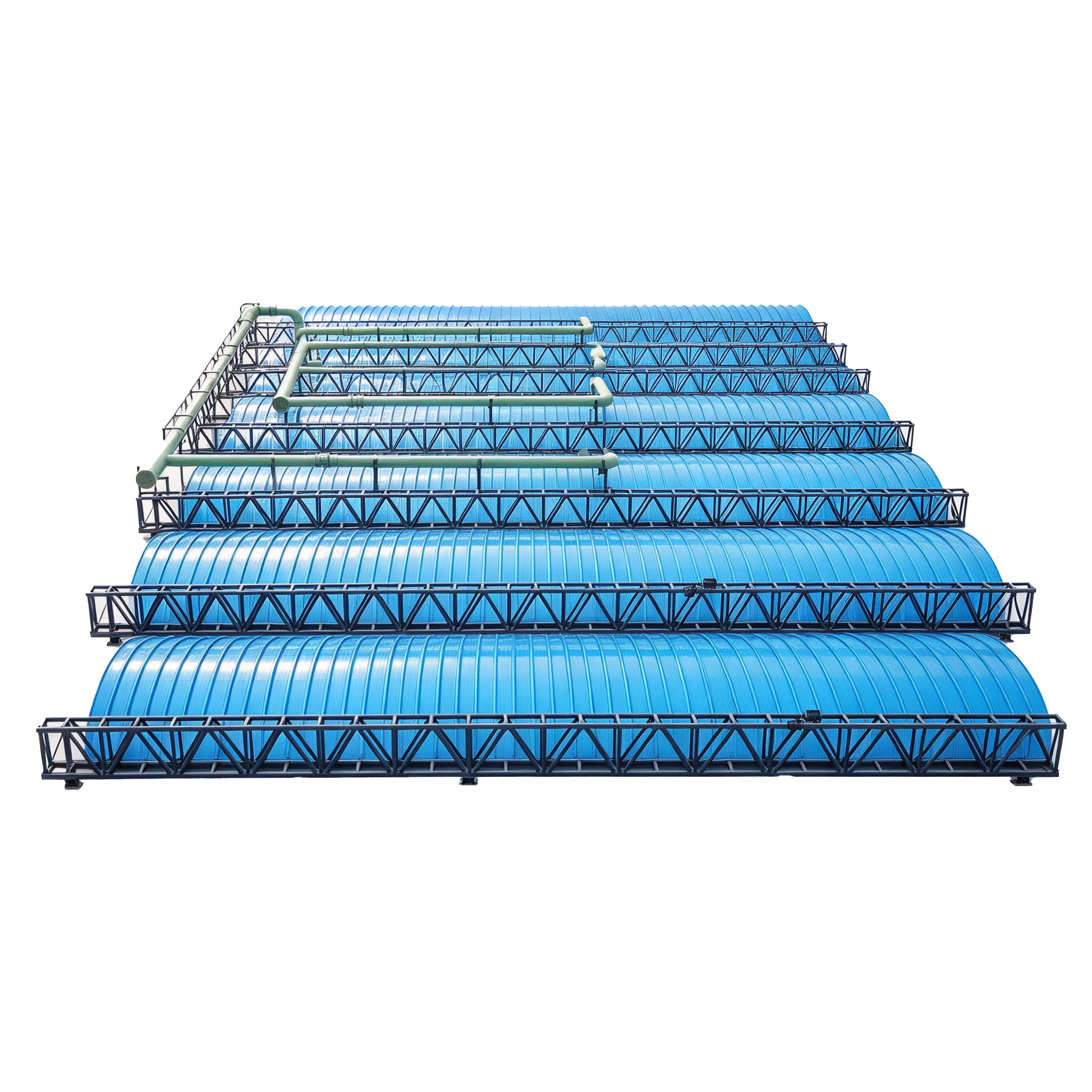
Exhaust Gas Sealing and Collection Cover

Exhaust Gas Sealing and Collection Cover

VOCs exhaust treatment covers are specialized sealing components designed for industrial exhaust collection and treatment systems. They are primarily used to enclose open emission sources—such as points along production lines, reaction tanks, cleaning vats, material mixing stations, and the inlets/outlets of spray towers—to facilitate the containment and collection of pollutants. Through their fully sealed design, these covers effectively prevent the fugitive release and dispersion of VOCs, odors, smoke, and dust. By consolidating scattered exhaust streams, they channel the emissions toward downstream treatment equipment. As an essential foundational component of any comprehensive VOCs treatment system, these covers are widely utilized in both the retrofitting of existing facilities and the construction of new projects across various industries.

09

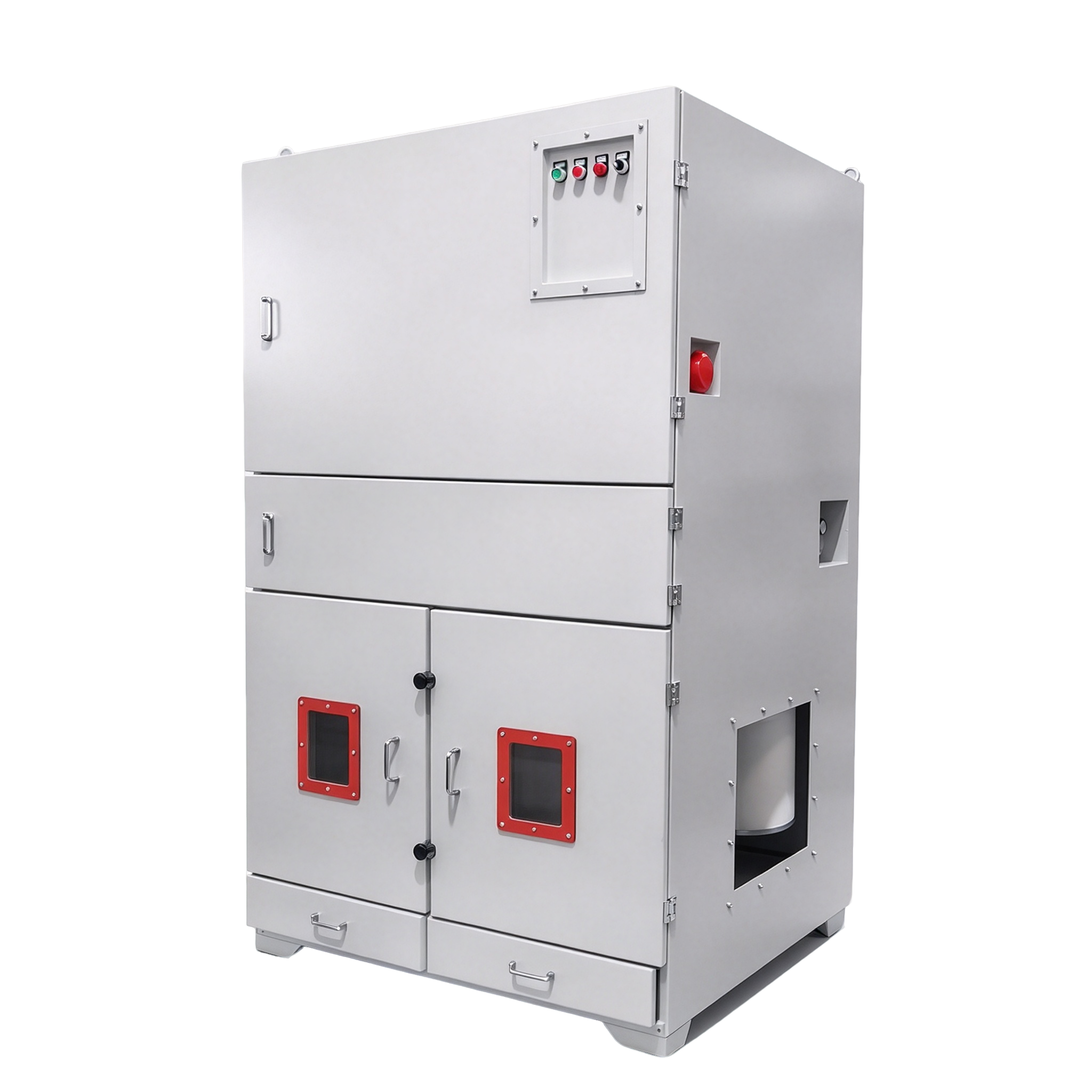
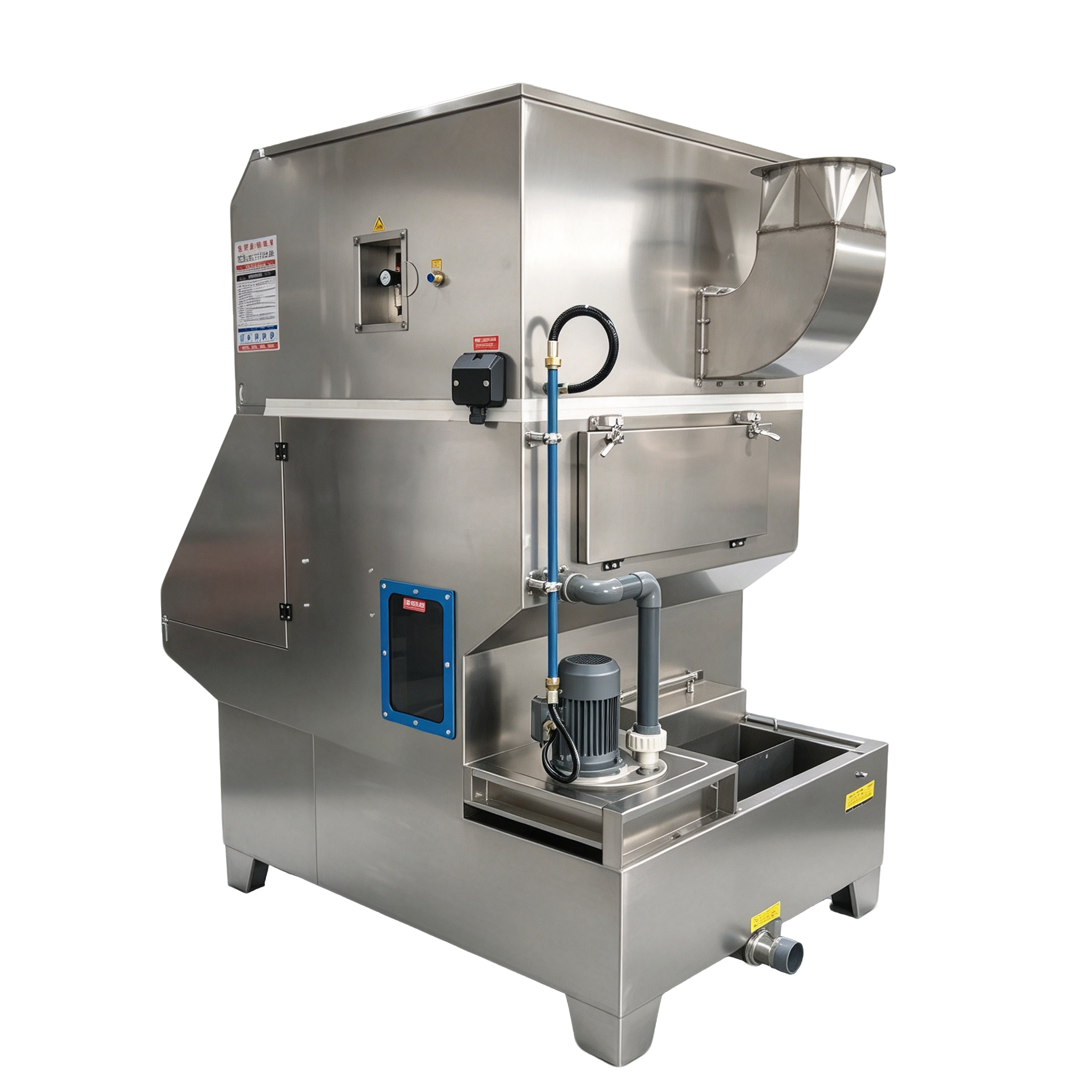
Pulse-jet cartridge dust collector

Pulse-jet cartridge dust collector

The pulse-jet cartridge dust collector is a compact, high-efficiency industrial dust removal system. Utilizing advanced pleated, high-precision filter cartridge technology, it offers a more space-efficient design and superior filtration accuracy compared to traditional bag-house dust collectors. The unit integrates dust collection, airflow filtration, automatic pulse-jet cleaning, and clean-air exhaust. Specifically engineered for fine, dry industrial dust, welding fumes, and airborne particulate matter, it features a small footprint, high purification efficiency, stable operation, and ease of maintenance. It serves as a core environmental protection solution for industrial dust control, workshop air purification, and exhaust gas pre-treatment, and complies with international environmental standards such as CE and ISO.

10

Grinding and Dust-Extraction Workstation

Grinding and Dust-Extraction Workstation

The grinding and dust-extraction workbench is an integrated, dry-type dust-removal system that combines a workstation, dust capture, purification/filtration, and automatic dust discharge. It is specifically designed for dry-process operations that generate dust, such as grinding, polishing, cutting, and deburring. The workbench surface features built-in suction inlets, allowing dust generated during operations to be captured on-site via negative pressure. The dust is then purified through an internal filtration unit, while an automatic pulse-jet cleaning mechanism regenerates the filter media, enabling continuous operation. With a dust-removal efficiency exceeding 99.5% and outlet emission concentrations as low as 10 mg/m³ or less, this unit significantly improves the workshop environment. It serves as a specialized dust-control solution for metal processing, as well as for grinding and polishing operations involving castings.

11

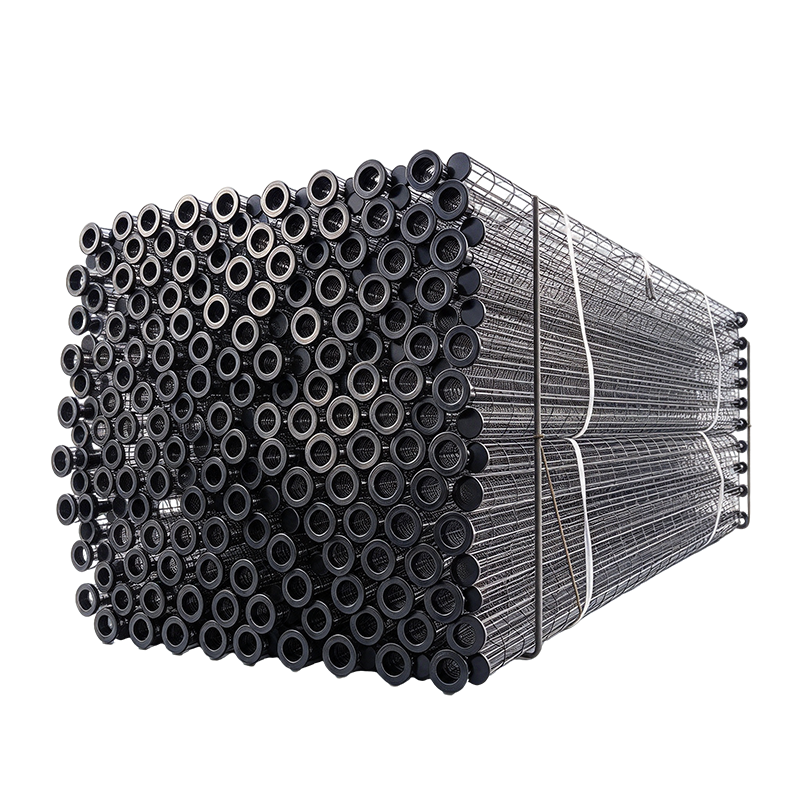
Dust Collector Filter Cages

Dust Collector Filter Cages

A filter cage (dust collector skeleton) is a metal framework used inside a fabric filter dust collector to support the filter bags. It maintains the shape of the bags and ensures the effectiveness of pulse-jet cleaning. Constructed by welding longitudinal ribs and circumferential rings, the cage is treated with an anti-corrosion coating. These cages are available in single-piece or multi-section (interlocking) designs and serve as a core component of fabric filter dust collectors.

12

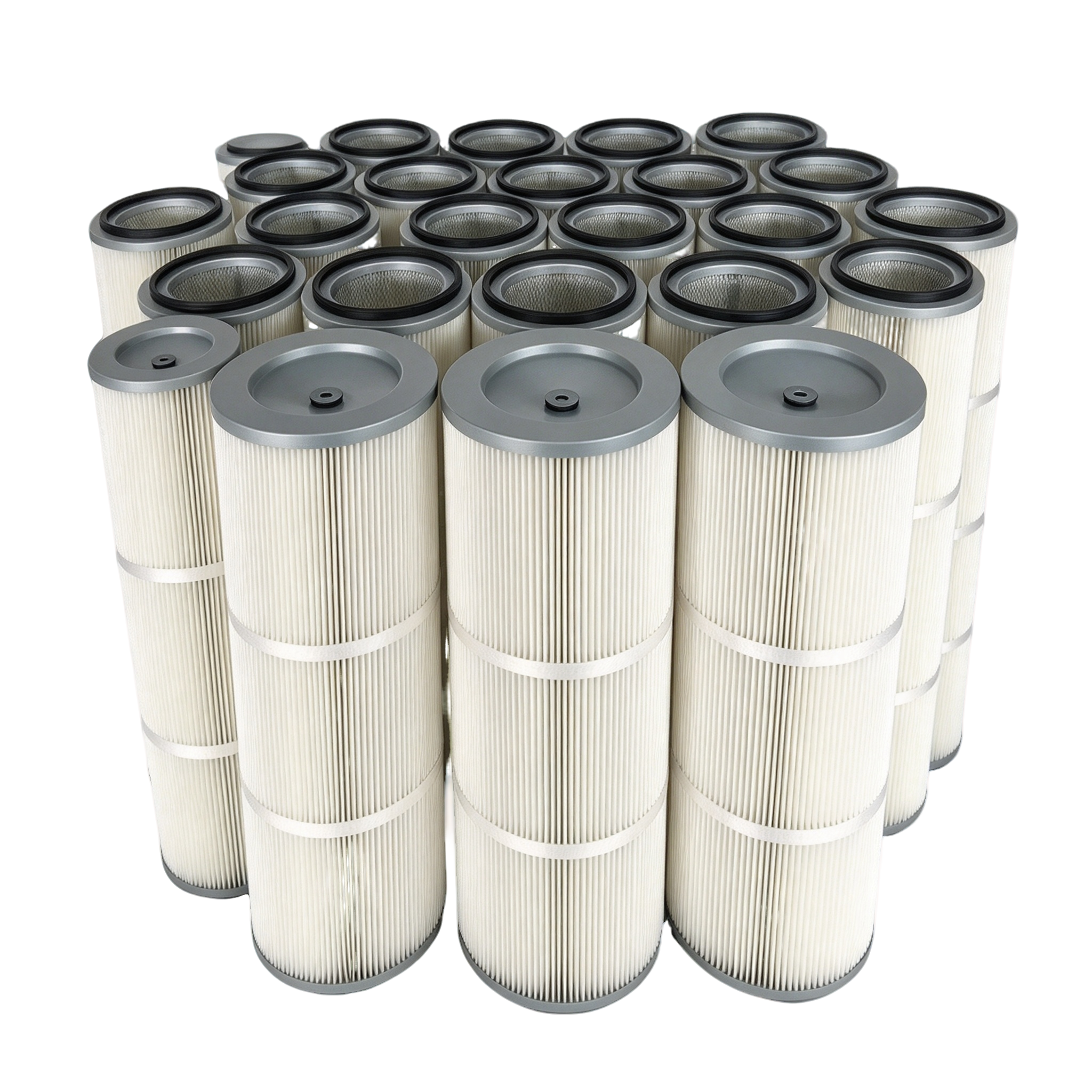
Filter Cartridge for Dust Collection Equipment

Filter Cartridge for Dust Collection Equipment

Filter cartridges serve as the core filtration components in pulse-jet cartridge dust collectors. Constructed with pleated filter media formed into a cylindrical shape, these cartridges utilize their folds to significantly expand the effective filtration area, enabling highly efficient gas-solid separation within a compact space. Widely used in equipment such as cartridge dust collectors, grinding dust extraction benches, and welding fume purifiers, these cartridges achieve dust removal efficiencies exceeding 99.5% and can reduce outlet emission concentrations to below 10 mg/m³. They are essential consumables for industrial dust control, welding fume purification, and the recovery of powdered materials.

13

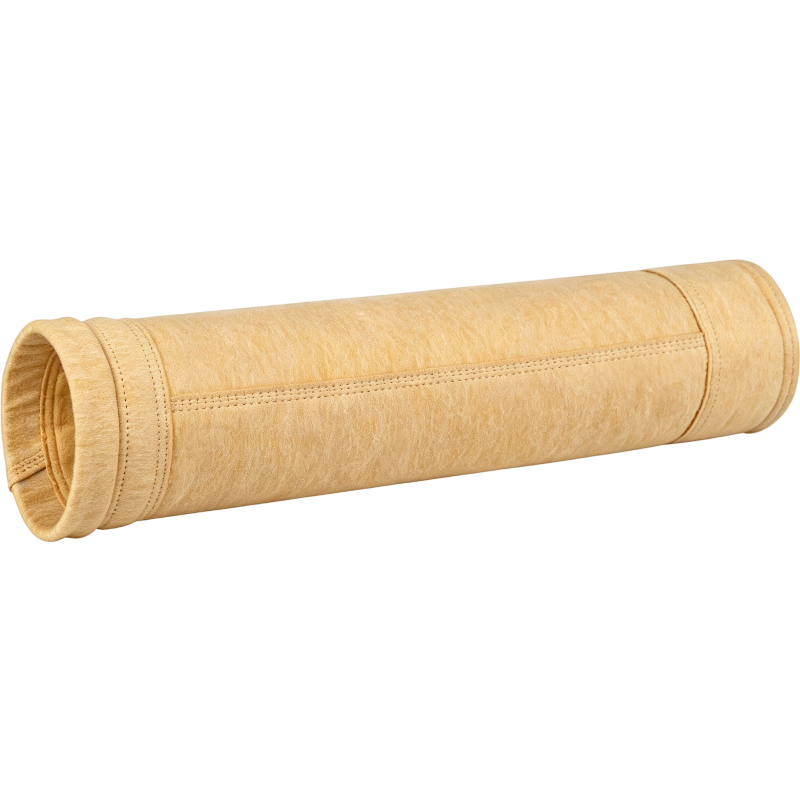
PI filter bag

PI filter bag

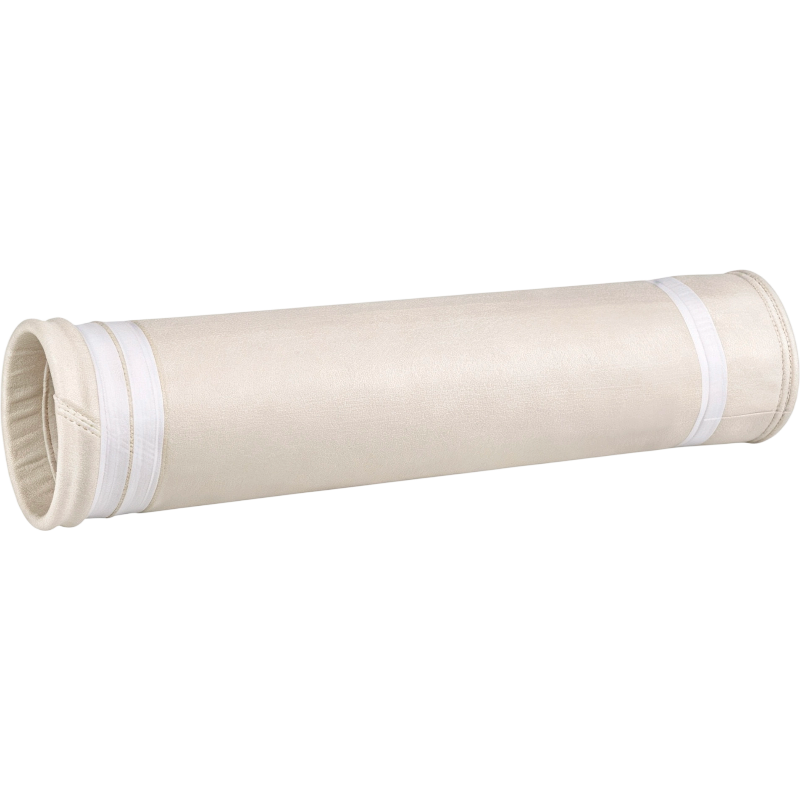
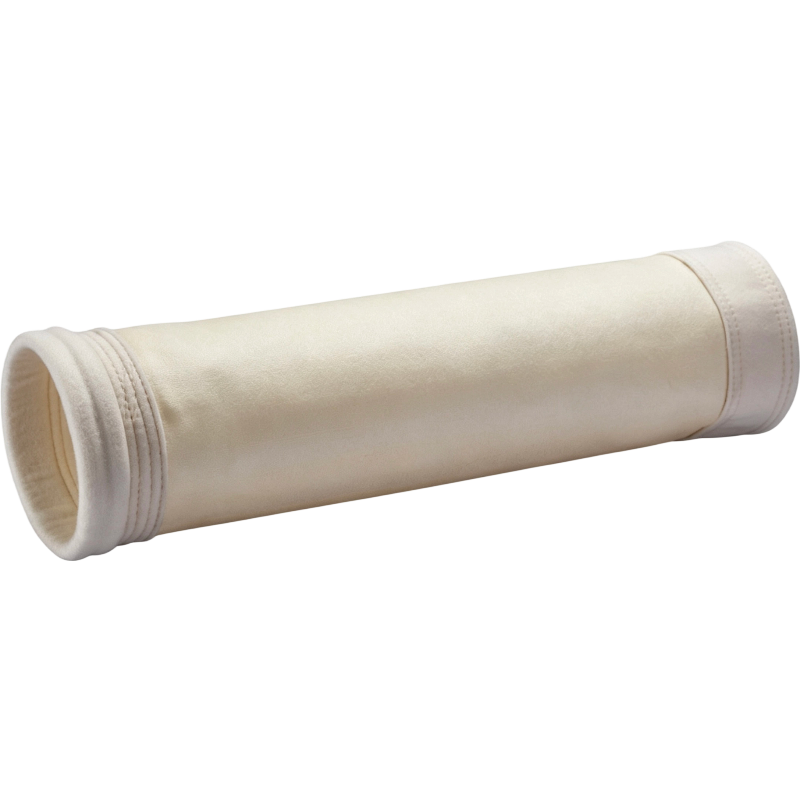
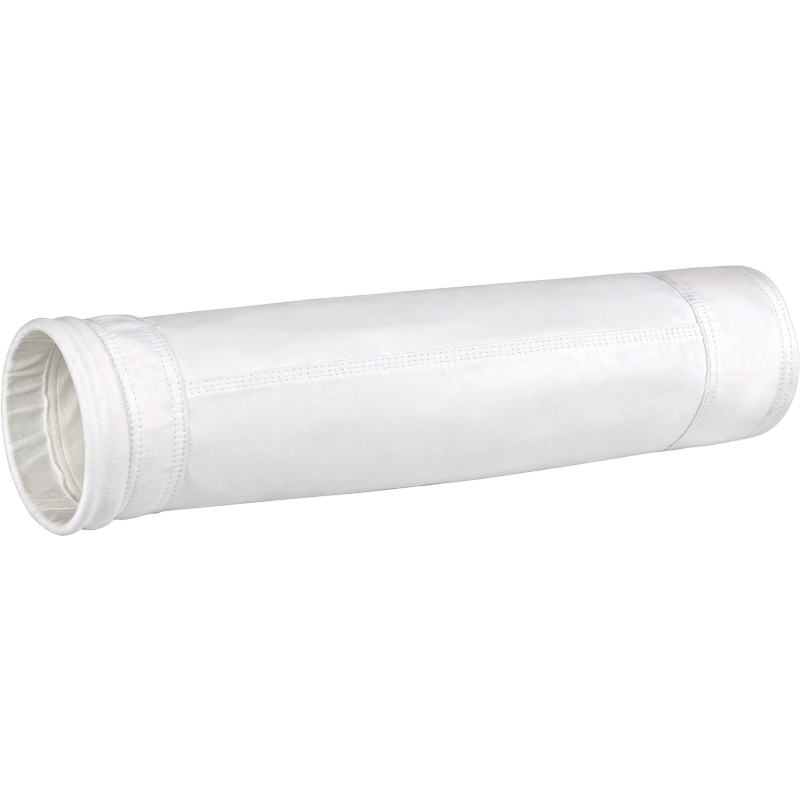
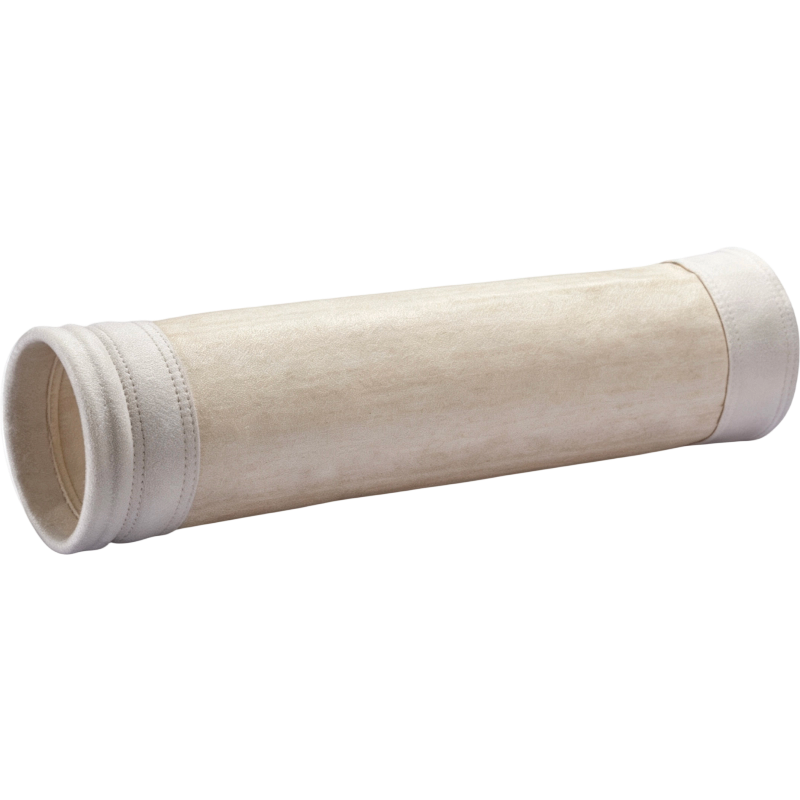
Dust filter bags (also known as filter sleeves) serve as the core filtration components in fabric-filter dust collectors, directly determining dust removal efficiency, operational resistance, and service life. Manufactured from needle-punched felt or woven filter media using specialized sewing techniques, these bags capture dust particles through a combination of mechanisms—including inertial impaction, interception, diffusion, electrostatic attraction, and filtration via an initial dust layer—making them essential components for achieving ultra-low emission levels.

14

PPS filter bag

PPS filter bag

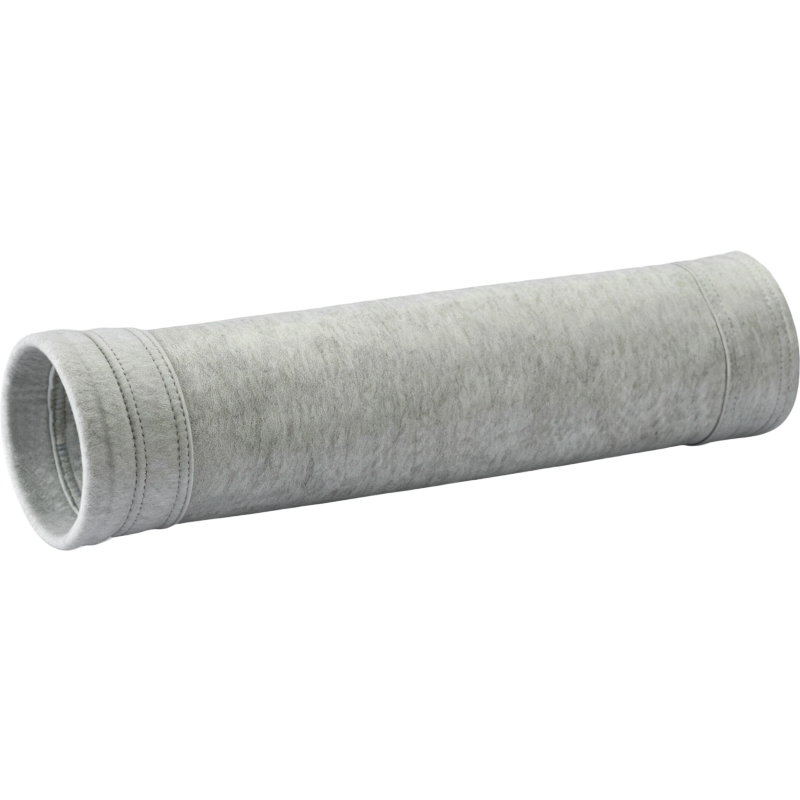
Dust filter bags (also known as filter sleeves) serve as the core filtration components in fabric-filter dust collectors, directly determining dust removal efficiency, operational resistance, and service life. Manufactured from needle-punched felt or woven filter media using specialized sewing techniques, these bags capture dust particles through a combination of mechanisms—including inertial impaction, interception, diffusion, electrostatic attraction, and filtration via an initial dust layer—making them essential components for achieving ultra-low emission levels.

15

Grid-pattern anti-static filter bag

Grid-pattern anti-static filter bag

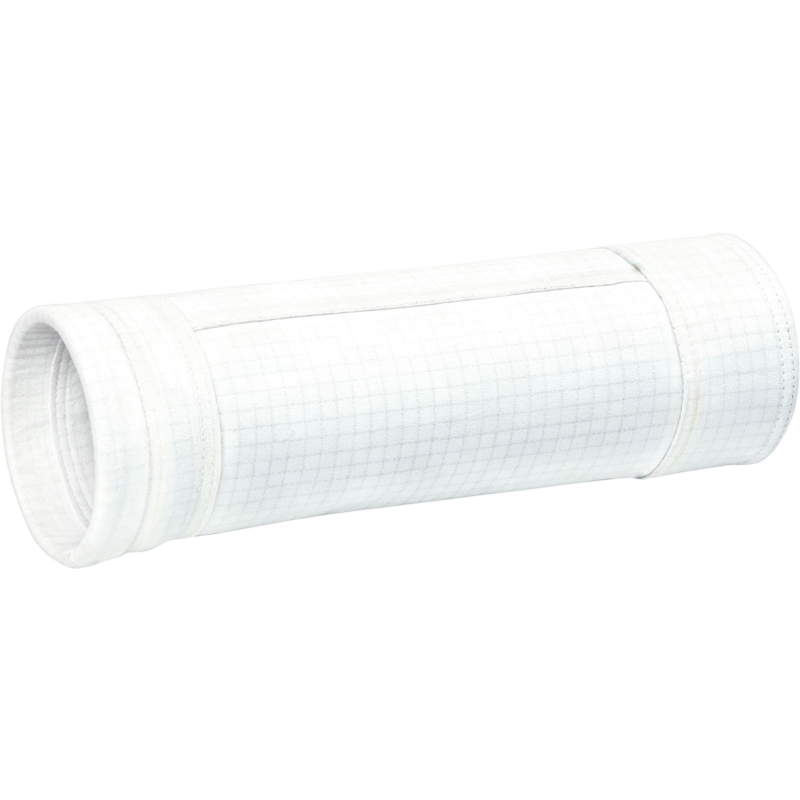
Dust filter bags (also known as filter sleeves) serve as the core filtration components in fabric-filter dust collectors, directly determining dust removal efficiency, operational resistance, and service life. Manufactured from needle-punched felt or woven filter media using specialized sewing techniques, these bags capture dust particles through a combination of mechanisms—including inertial impaction, interception, diffusion, electrostatic attraction, and filtration via an initial dust layer—making them essential components for achieving ultra-low emission levels.

16

Polyester-blend conductive filter bag

Polyester-blend conductive filter bag

Dust filter bags (also known as filter sleeves) serve as the core filtration components in fabric-filter dust collectors, directly determining dust removal efficiency, operational resistance, and service life. Manufactured from needle-punched felt or woven filter media using specialized sewing techniques, these bags capture dust particles through a combination of mechanisms—including inertial impaction, interception, diffusion, electrostatic attraction, and filtration via an initial dust layer—making them essential components for achieving ultra-low emission levels.

17

Polyester Laminated Filter Bag

Polyester Laminated Filter Bag

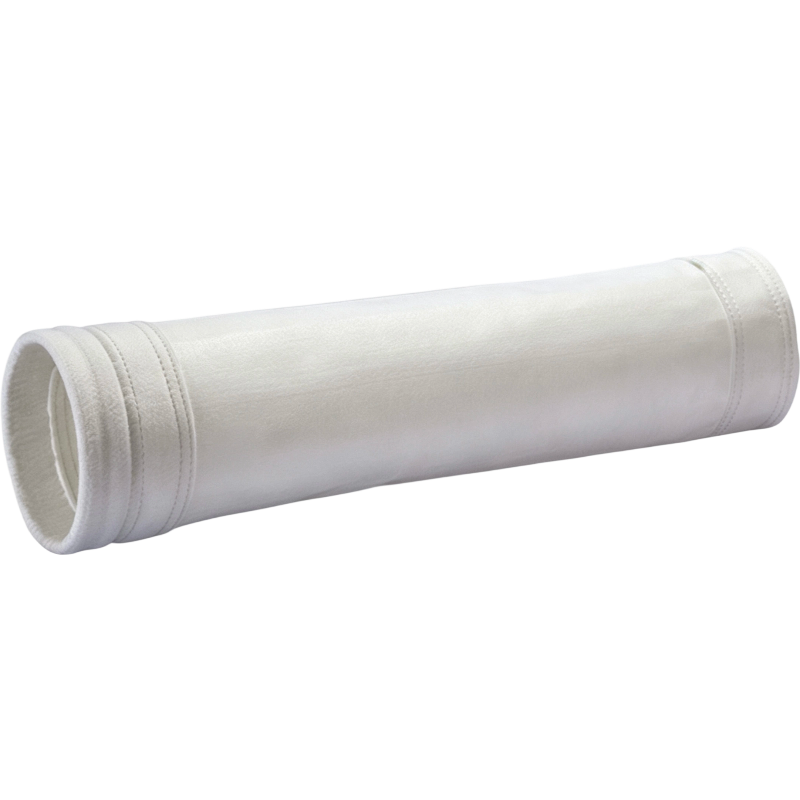
Dust filter bags (also known as filter sleeves) serve as the core filtration components in fabric-filter dust collectors, directly determining dust removal efficiency, operational resistance, and service life. Manufactured from needle-punched felt or woven filter media using specialized sewing techniques, these bags capture dust particles through a combination of mechanisms—including inertial impaction, interception, diffusion, electrostatic attraction, and filtration via an initial dust layer—making them essential components for achieving ultra-low emission levels.

18

Fiberglass composite filter bag

Fiberglass composite filter bag

Dust filter bags (also known as filter sleeves) serve as the core filtration components in fabric-filter dust collectors, directly determining dust removal efficiency, operational resistance, and service life. Manufactured from needle-punched felt or woven filter media using specialized sewing techniques, these bags capture dust particles through a combination of mechanisms—including inertial impaction, interception, diffusion, electrostatic attraction, and filtration via an initial dust layer—making them essential components for achieving ultra-low emission levels.

19

Acrylic filter bag

Acrylic filter bag

Dust filter bags (also known as filter sleeves) serve as the core filtration components in fabric-filter dust collectors, directly determining dust removal efficiency, operational resistance, and service life. Manufactured from needle-punched felt or woven filter media using specialized sewing techniques, these bags capture dust particles through a combination of mechanisms—including inertial impaction, interception, diffusion, electrostatic attraction, and filtration via an initial dust layer—making them essential components for achieving ultra-low emission levels.

20

PTFE filter bag

PTFE filter bag

Dust filter bags (also known as filter sleeves) serve as the core filtration components in fabric-filter dust collectors, directly determining dust removal efficiency, operational resistance, and service life. Manufactured from needle-punched felt or woven filter media using specialized sewing techniques, these bags capture dust particles through a combination of mechanisms—including inertial impaction, interception, diffusion, electrostatic attraction, and filtration via an initial dust layer—making them essential components for achieving ultra-low emission levels.

21

Aramid filter bags

Aramid filter bags

Dust filter bags (also known as filter sleeves) serve as the core filtration components in fabric-filter dust collectors, directly determining dust removal efficiency, operational resistance, and service life. Manufactured from needle-punched felt or woven filter media using specialized sewing techniques, these bags capture dust particles through a combination of mechanisms—including inertial impaction, interception, diffusion, electrostatic attraction, and filtration via an initial dust layer—making them essential components for achieving ultra-low emission levels.

22

Finned heat exchanger

Finned heat exchanger

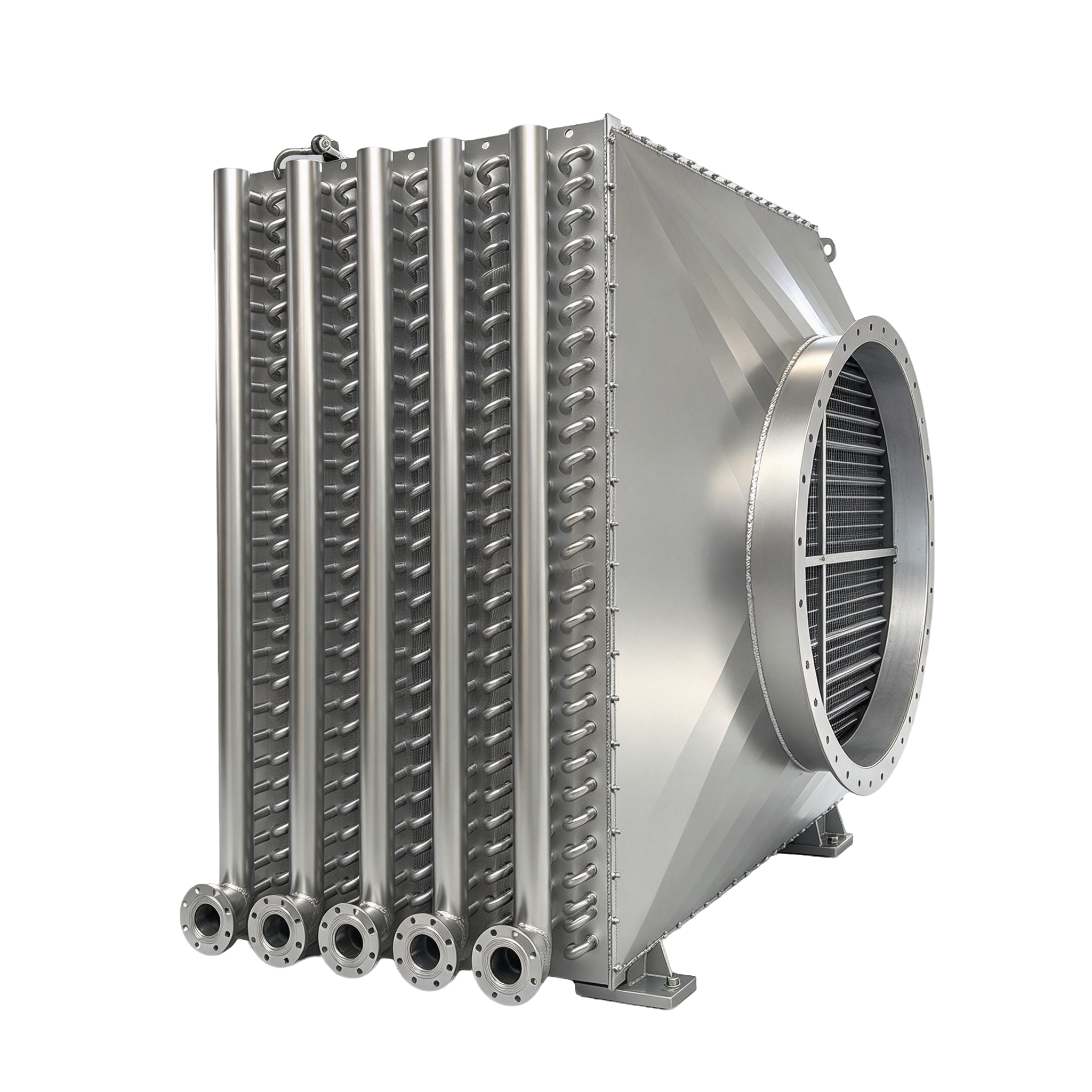
A finned heat exchanger is a highly efficient heat exchange device that increases heat transfer surface area and enhances convective heat transfer on the air side by incorporating fins onto the outer surfaces of heat exchange tubes. Primarily used for heat exchange between gas and liquid or gas and vapor, it facilitates air heating, air cooling, or the recovery of waste heat from flue gases. It serves as a core heat exchange component in fields such as industrial drying, HVAC (heating, ventilation, and air conditioning), and waste heat utilization.

23

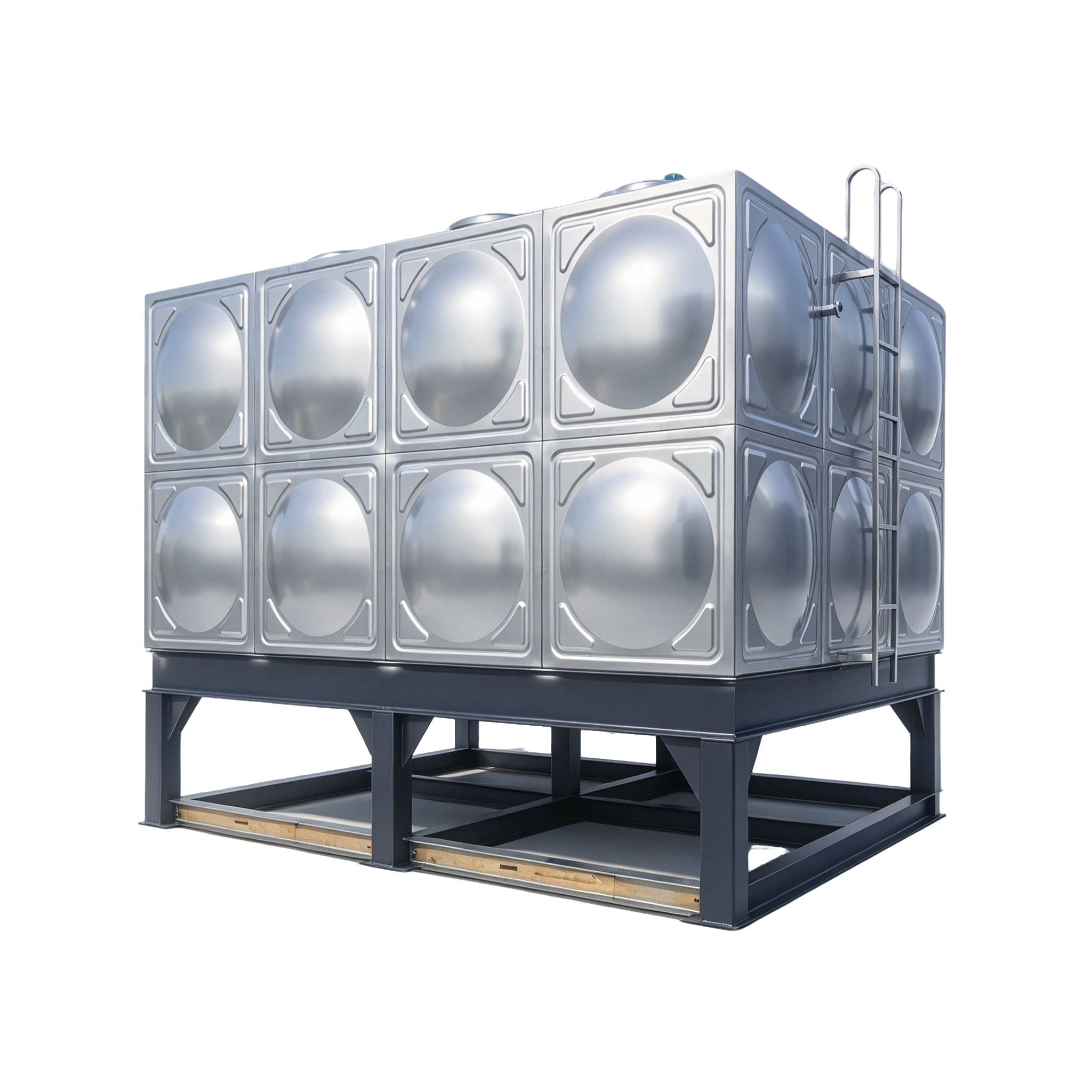
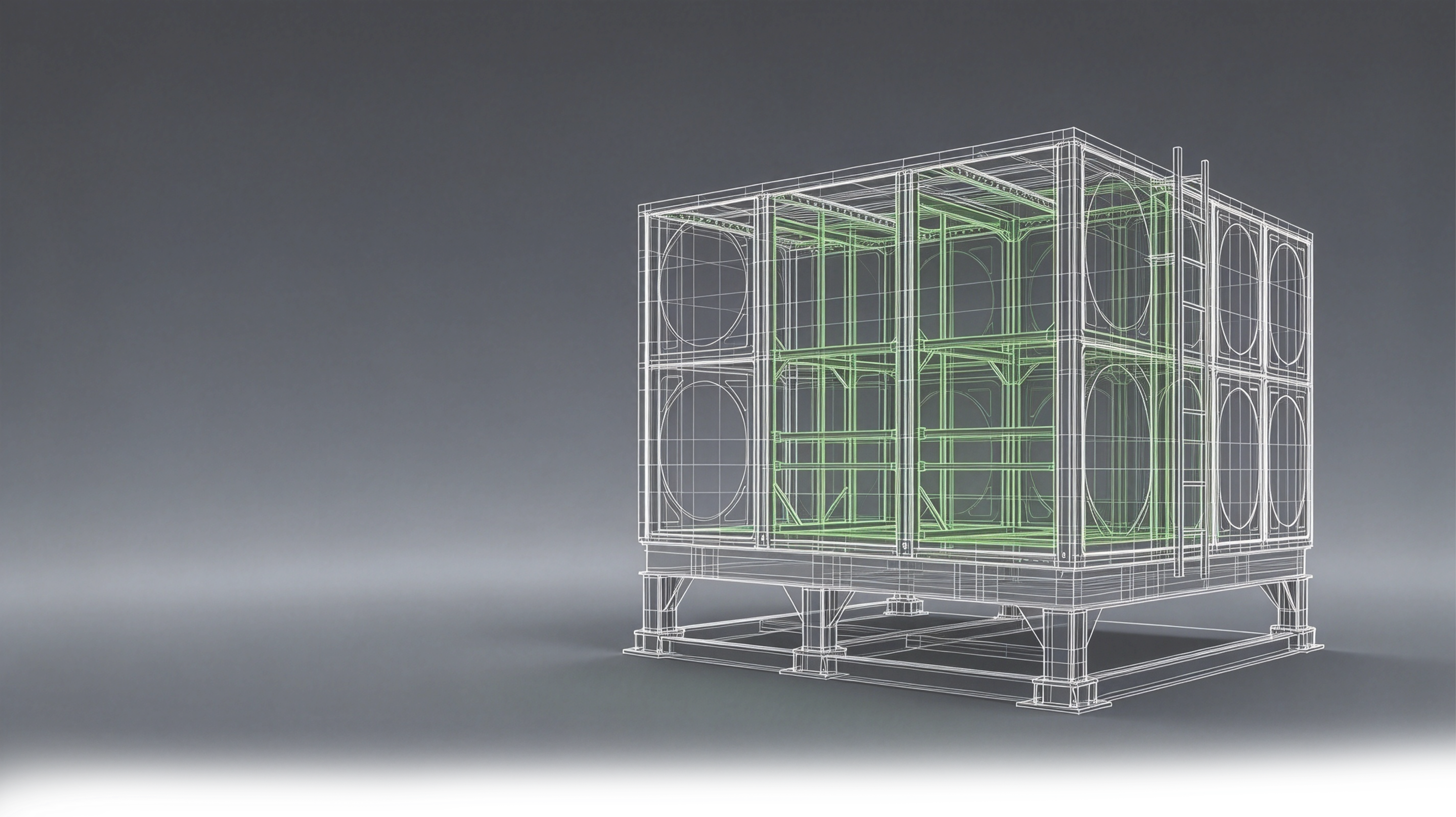
Fire water tank

Fire water tank

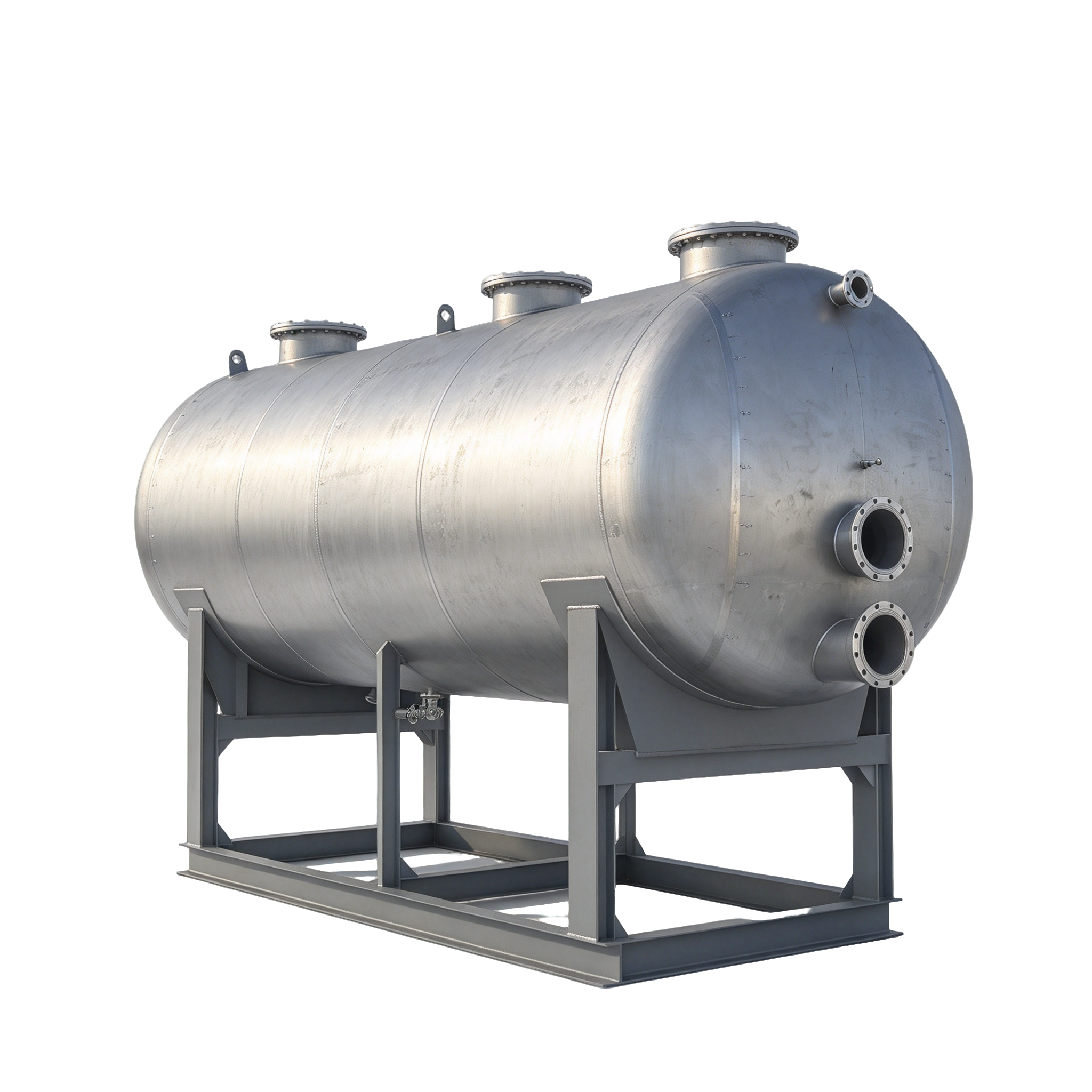
Fire water tanks are specialized storage facilities within a fire water supply system designed to hold water for use during the initial stages of a fire. They provide a supply of water for firefighting before the fire pumps are activated, ensuring that initial fire-suppression efforts can begin promptly. Our product range includes four main series: stainless steel assembled/welded tanks, SMC (sheet molding compound) modular fiberglass tanks, steel tanks with enamel/powder-coated/galvanized finishes, and BDF (bolted/composite) stainless steel composite tanks. With capacities ranging from 0.125 to 2,000 m³, these products comply with the national standard GB 50974, "Technical Code for Fire Water Supply and Hydrant Systems."

24

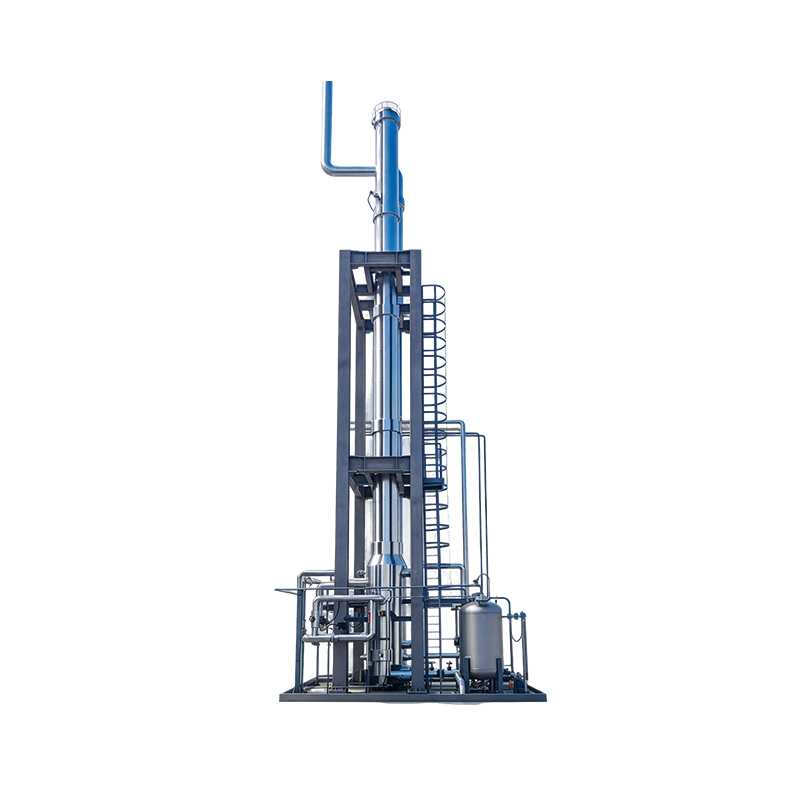
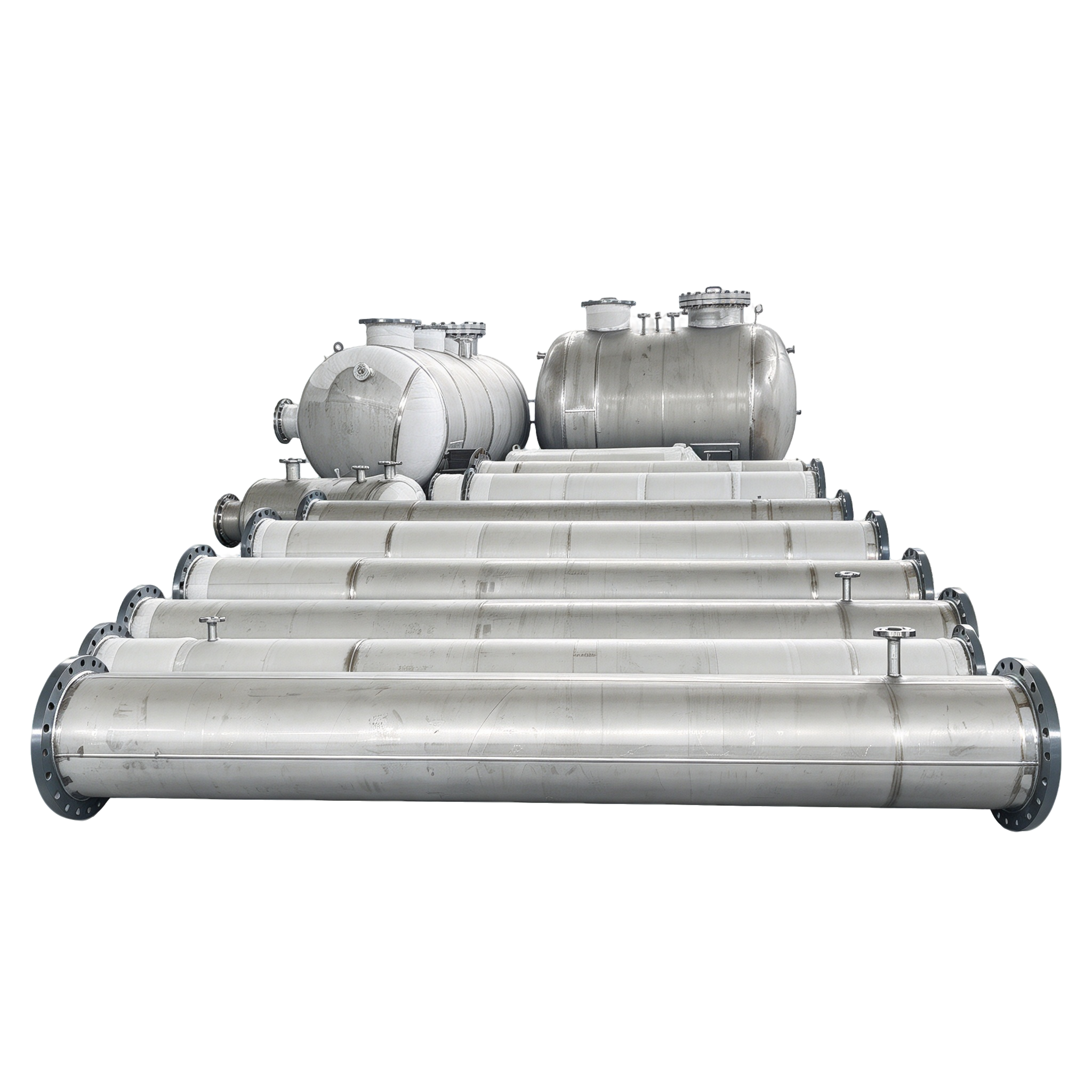
Distillation column

Distillation column

A distillation column is a core mass-transfer device used in chemical separation. It leverages differences in the volatility (boiling points) of components within a mixture, employing repeated partial vaporization and partial condensation—occurring throughout the column—to achieve the high-purity separation of liquid mixtures. Distillation columns are widely utilized across sectors such as petrochemicals, fine chemicals, pharmaceuticals, food processing, and environmental solvent recovery. They enable continuous, large-scale, high-purity separation processes, with separation efficiencies reaching over 99%.

25

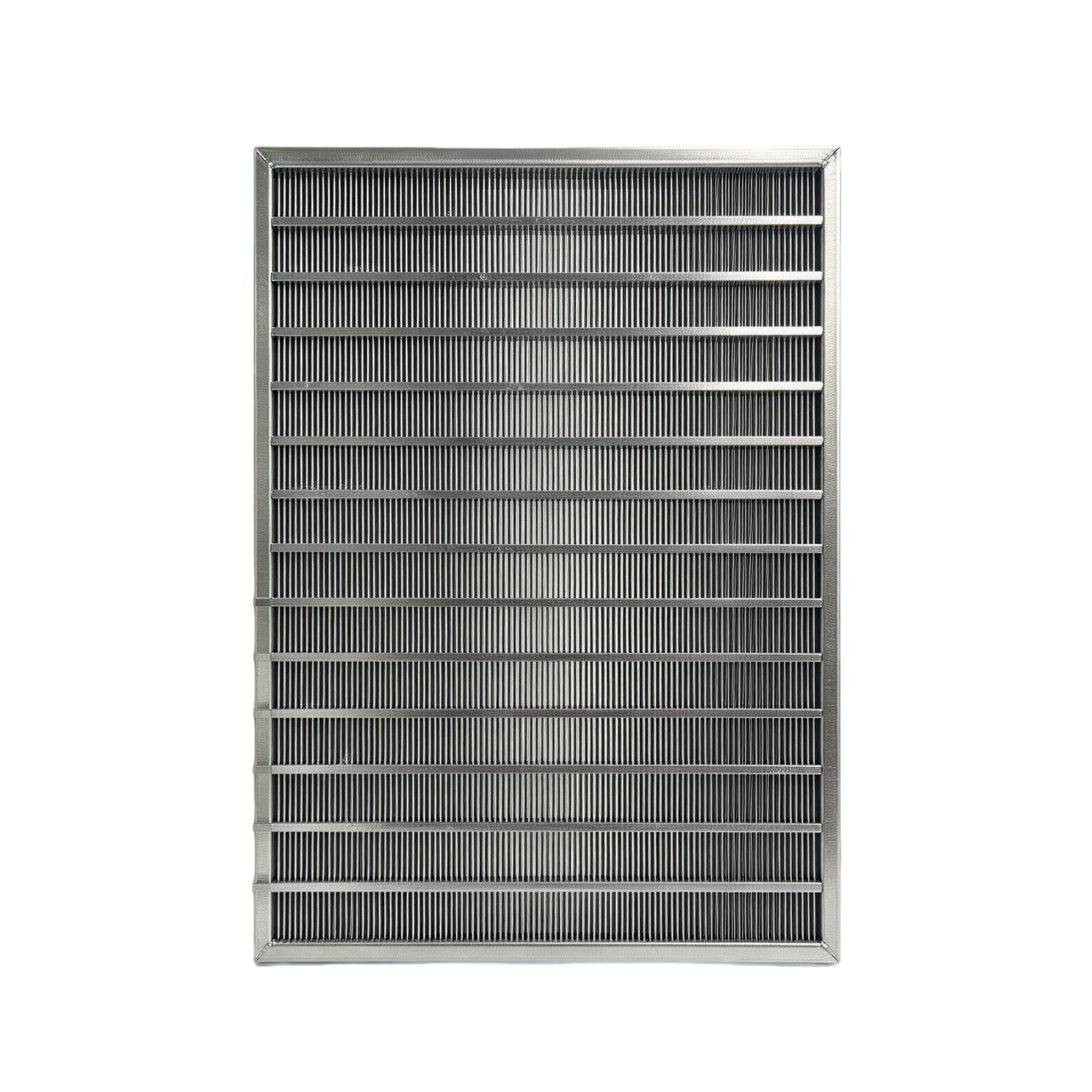
Sieve plate

Sieve plate

Wedge-wire screen panels are constructed by arranging V-shaped profile wires transversely and welding them onto longitudinal support rods, forming a flat (or alternatively, curved or bent) screening and filtration component. These panels are primarily used for applications such as planar water or gas distribution, material dewatering, solid-liquid separation, packing support, base plates for filtration equipment, and curved screens. They are typically employed for flat-surface filtration and screening within tanks or vessels, distinguishing them from cylindrical wedge-wire screen tubes.

26

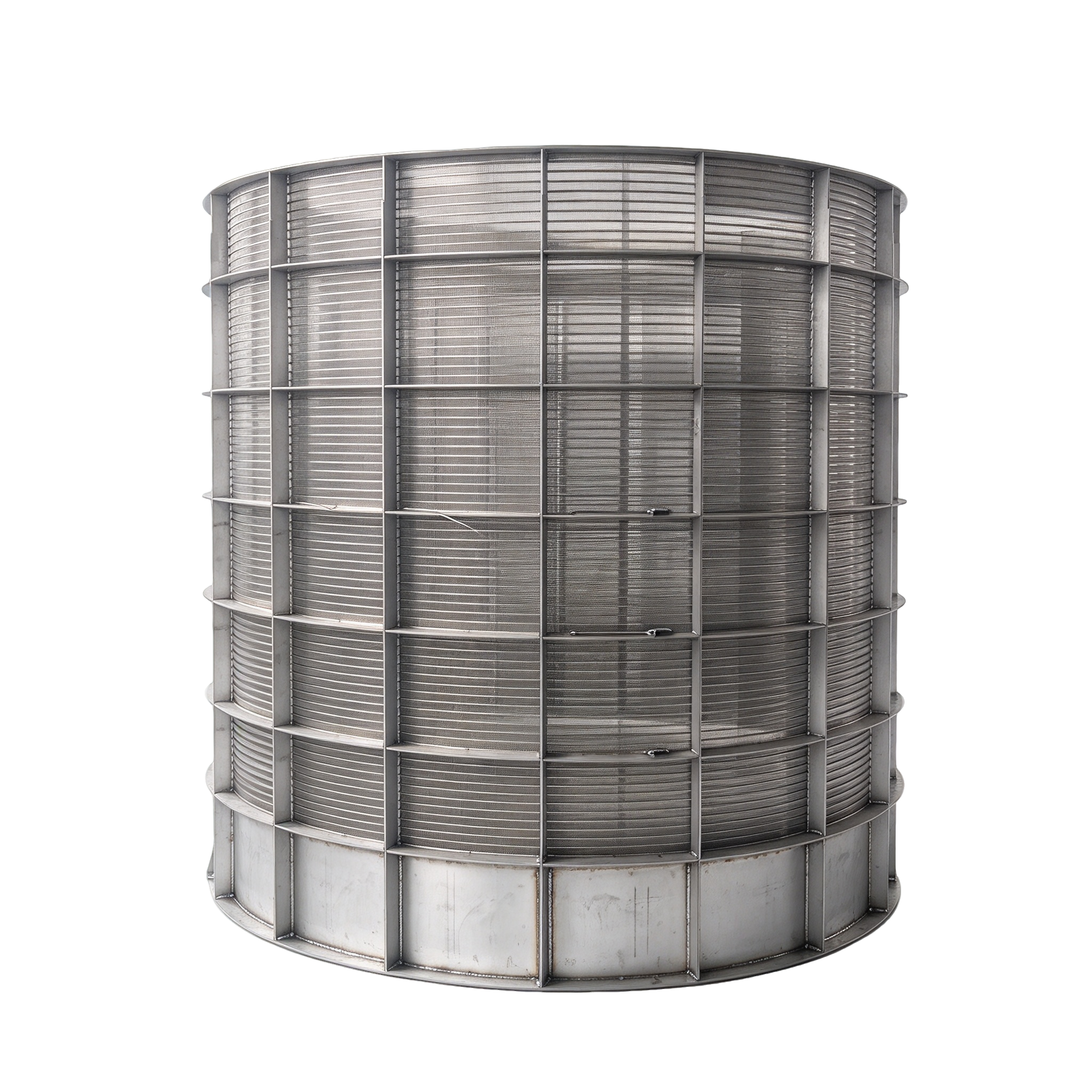
sieve tube

sieve tube

Wedge-wire screen cylinders are fully welded, cylindrical filtration elements. They are constructed by continuously wrapping a V-shaped (trapezoidal) profile wire around a series of axial support rods and securing it via resistance welding. This process creates a uniform, continuous slot that is wider on the outside and narrower on the inside. These screens are primarily used within tanks, pressure vessels, and filter towers for applications such as water collection and distribution, resin retention, sand control, fluid flow distribution, and solid-liquid separation. They are widely integrated into equipment such as resin tanks, adsorption towers, water treatment filters, and distillation column internals, serving as a core cylindrical filtration component in chemical processing, water treatment, and environmental protection systems.

Manufacturing and servicesHow it works

01

Made to order

Customize tank specifications according to the customer's plant fire code, site dimensions, required storage volume, and supporting equipment.

02

Standardized manufacturing

CNC stamping and integrated forming create the tank panels, followed by precision finishing to remove burrs and deformation. Accessories are selected according to standardized specifications.

03

Assembly and testing

Complete module trial assembly, hydrostatic testing, leak detection, and intelligent-system commissioning before shipment to ensure no leakage and stable operation.

04

Export packaging

Package modules separately with fumigated solid-wood protection for sea transport and reduced shipping damage.

05

On-site installation

Quickly assemble the modular tank on site, connect it to the fire system and the makeup-water system for exhaust equipment, and commission the intelligent operation and maintenance functions.

06

Acceptance and after-sales support

Assist customers with fire-compliance acceptance and provide lifetime maintenance, spare-parts replacement, and system upgrade services.

Get your tailored solution

Products you may be interested in

Spray tower

Activated-carbon adsorption tank

Biological deodorization tank

Absorption tower

Requirement customization

Request a quote

OEM customization

Technical support

Upload drawings/files

Submit

FAQs

We could not find what you need. Please contact our team.

View details

Does the tank meet overseas industrial fire standards?

The product is manufactured strictly according to international industrial fire codes. Its materials, storage volume, and pressure-stabilization performance meet relevant standards. Complete qualification documents can be provided to support acceptance.

How long will the tank last, and will it leak?

A 304 stainless-steel tank can last more than 15 years under normal use. Precision modular assembly and double sealing prevent leakage.

Is the tank suitable for outdoor installation?

The tank resists UV exposure, aging, wind, and rain. Its dedicated outdoor corrosion-resistant design supports long-term open-air use.

Does the intelligent system support remote monitoring?

Optional IoT remote monitoring provides real-time water-level, water-pressure, and operating-status views, with remote alarms and control.

Contact us

If you have questions or need help, contact our team for dedicated support.

We look forward to hearing from you

Submit